
How Physiotherapists Measure Your Recovery
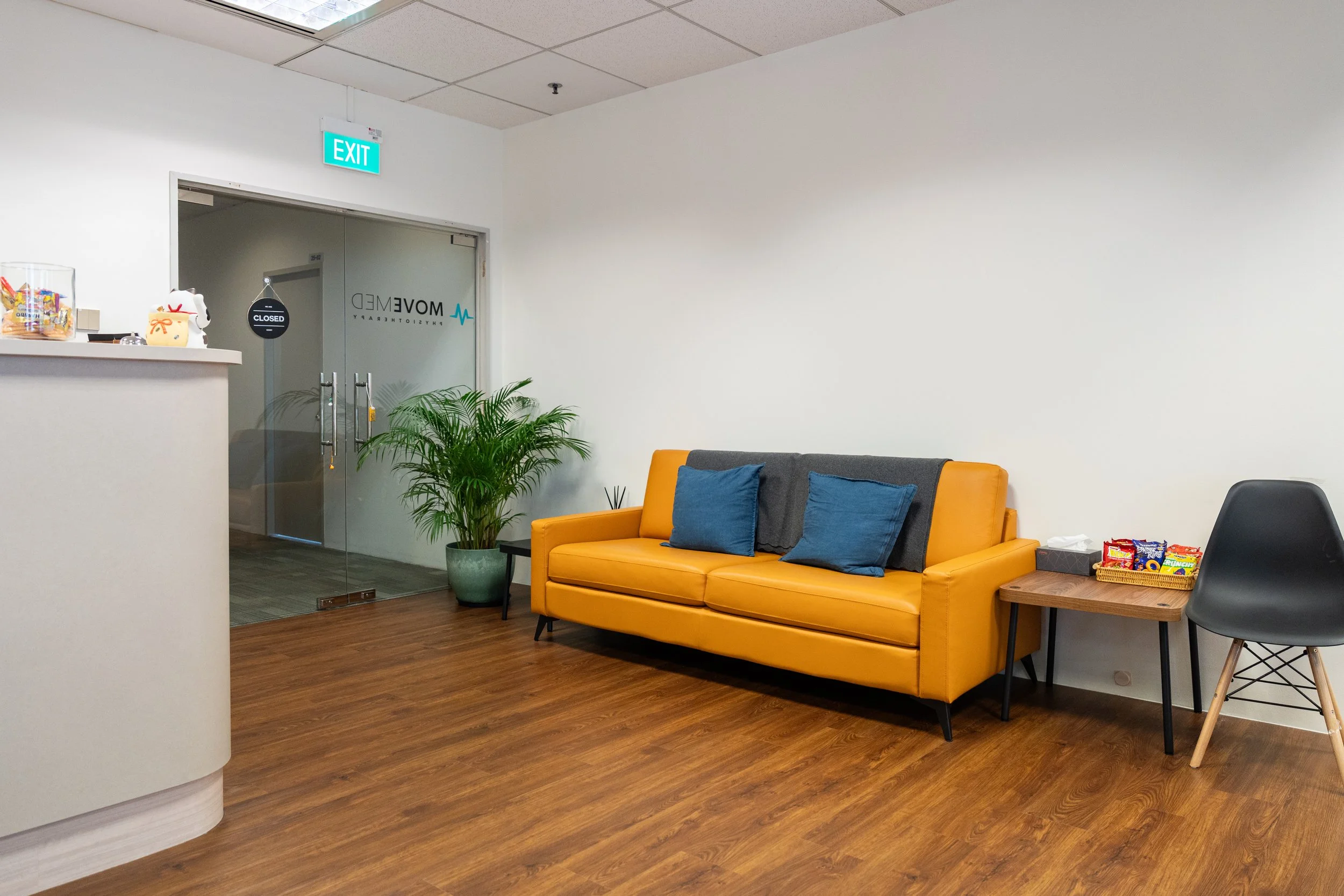
Movemed Singapore Physiotherapy Orchard
How Physiotherapists Measure Your Recovery
Recovery is primarily measured by how much time has passed or whether your pain has improved. In addition, during rehabilitation, a physiotherapist may assess your movement, strength, physical capacity and confidence to determine what has changed and what still requires attention.
The assessments used will depend on your injury, stage of recovery and the activities you want to return to.
A physiotherapy assessment may examine:
Pain, swelling and other symptoms
Joint mobility and range of motion
Muscle strength and endurance
Balance, coordination and movement control
Walking, running, lifting or sport-specific movements
Confidence when performing previously difficult activities
These findings provide a starting point for treatment. Selected assessments can then be repeated during rehabilitation to determine whether you are making measurable progress.
How Equipment and Objective Testing Support Clinical Decisions
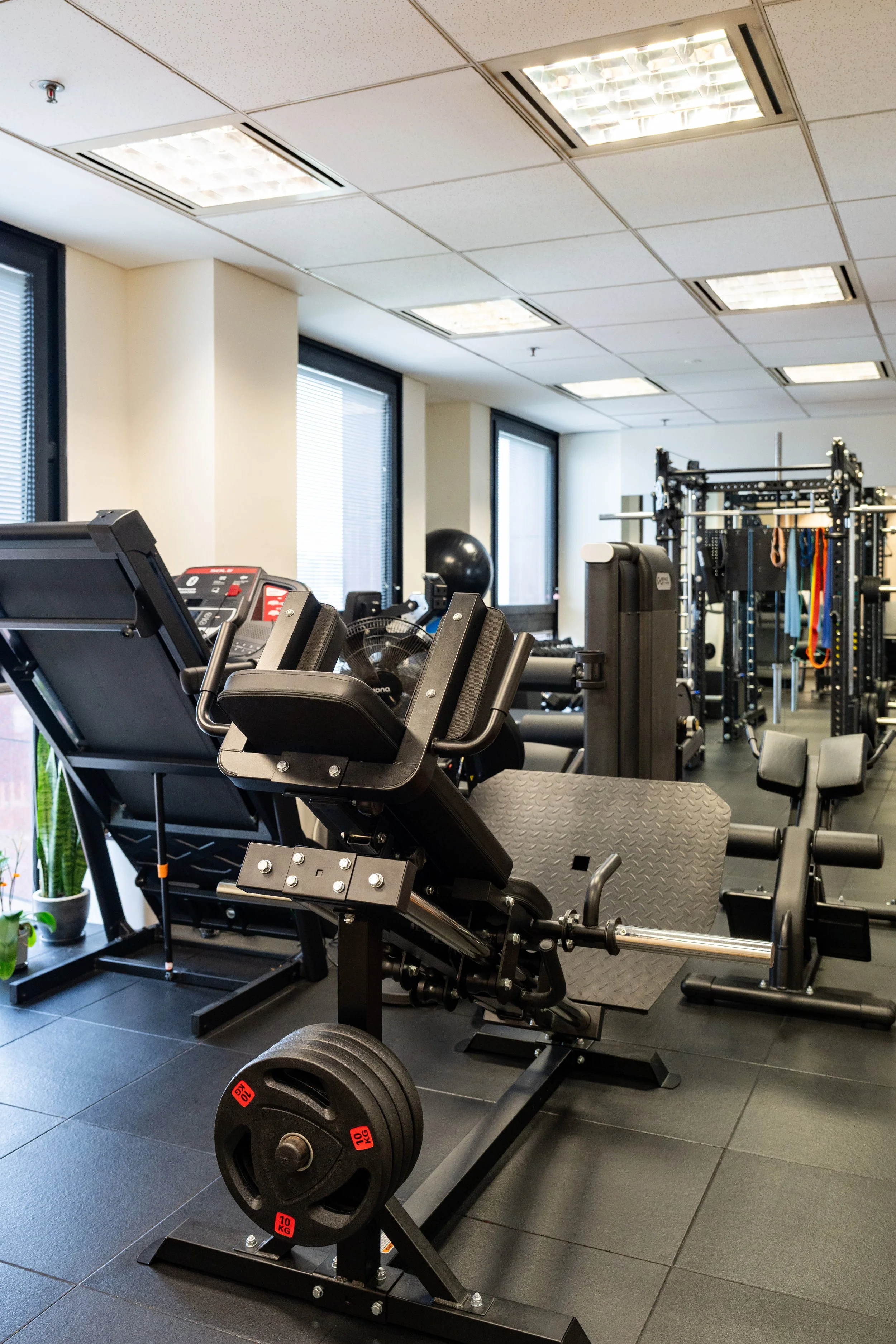
Physiotherapists combine clinical observation with objective testing. Depending on the condition, this may include
Measuring joint range,
Comparing strength between limbs,
Assessing balance or
Recording performance during functional exercises.
The equipment used can range from simple measurement tools to devices that assess strength, force or movement. The results is considered alongside your symptoms, movement quality and personal goals.
For example, improved knee strength may show that rehabilitation is progressing, but your physiotherapist may also assess whether you can control the knee when squatting, landing or changing direction.
Bertrand’s Approach to Post-Operative and Return-to-Sport Testing
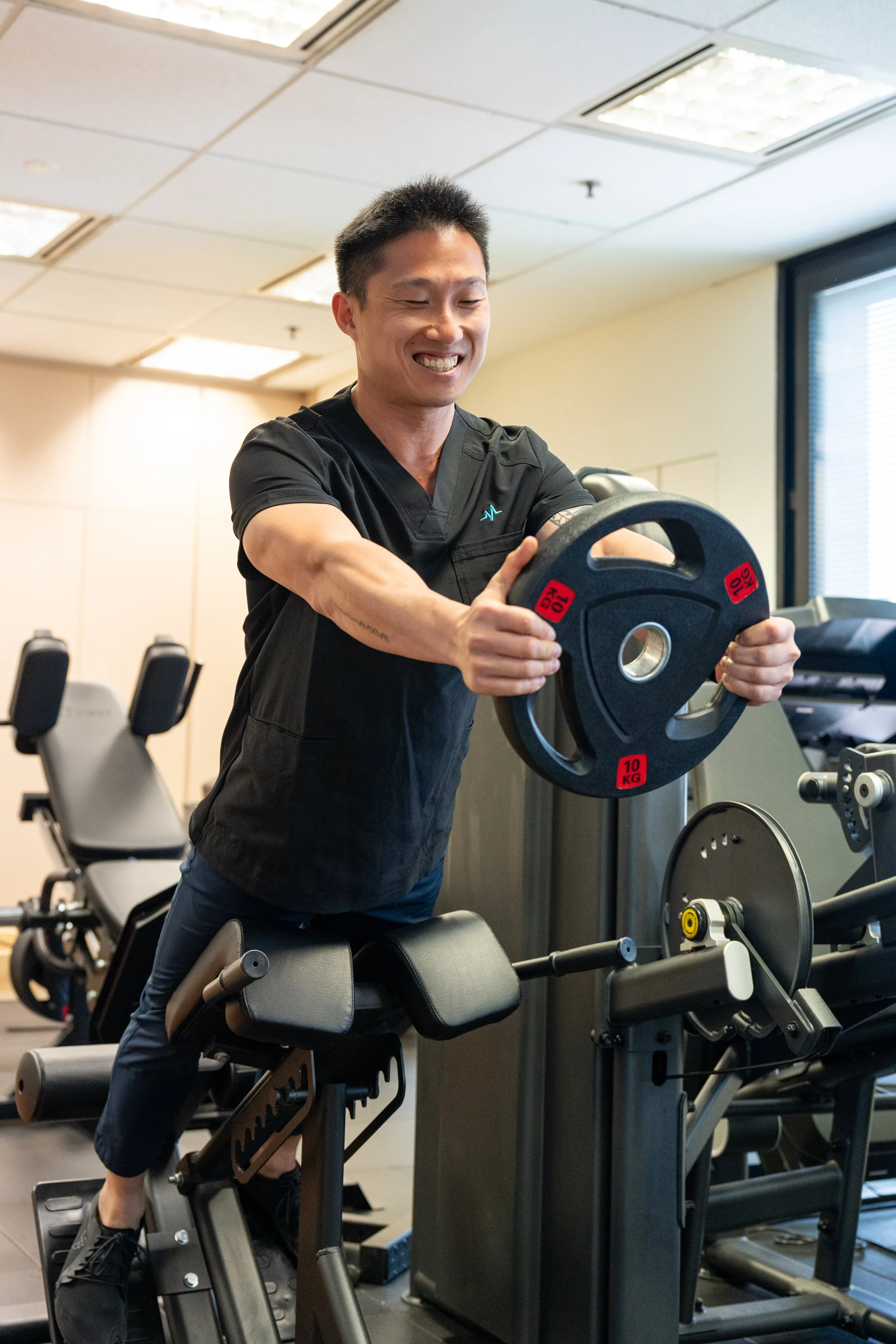
As Co-founder of MoveMed Orchard and a Principal Physiotherapist, Bertrand Koh uses objective testing to guide post-operative and sports rehabilitation.
His assessments consider the demands that a patient will eventually need to manage.
Someone returning to daily activities may be assessed differently from a rugby player preparing for contact training or an athlete returning to competition.
Strength, movement quality and functional performance can be reviewed at different stages of recovery.
Gregory’s Approach to Functional Movement and Everyday Recovery
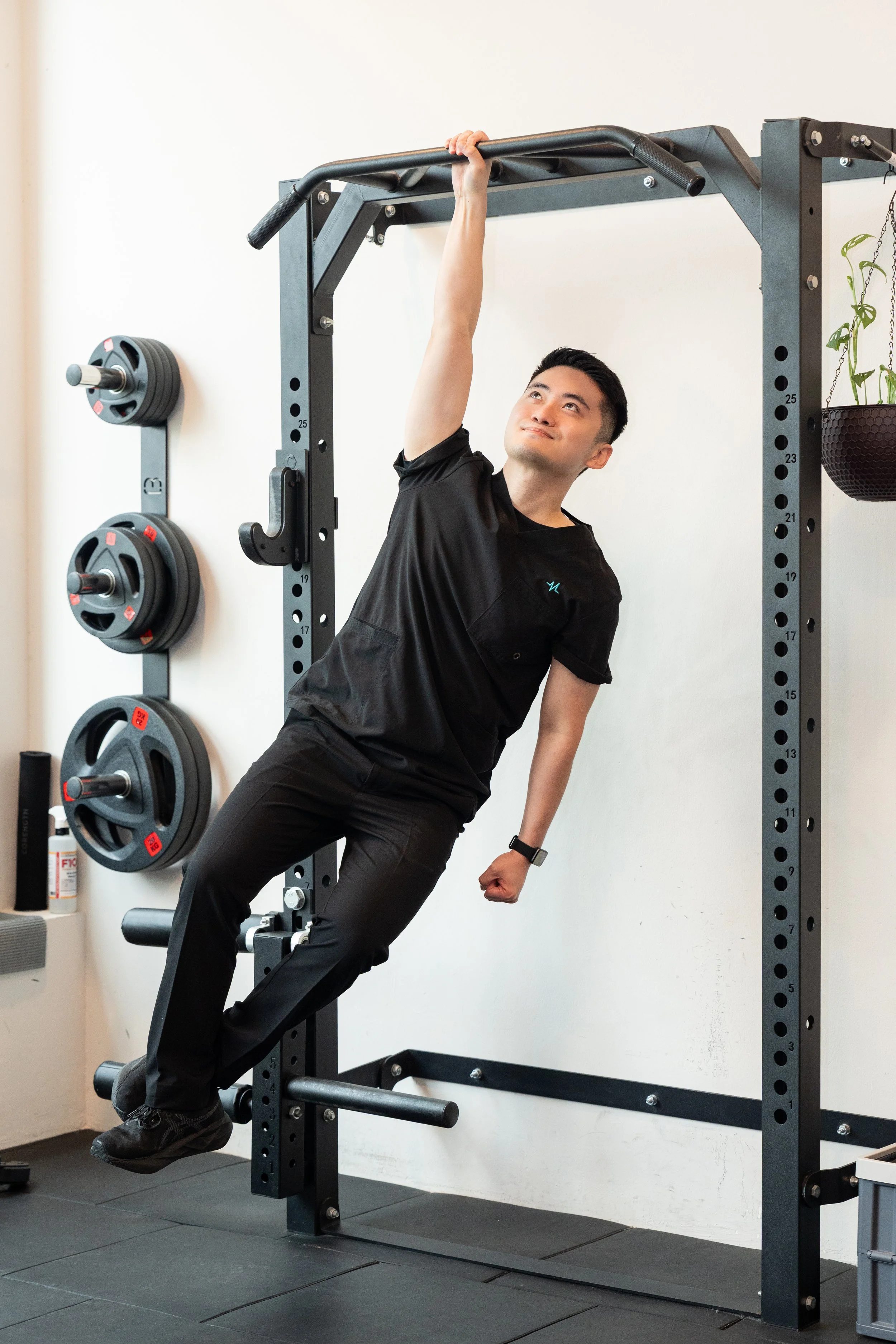
Gregory Ong, Senior Physiotherapist at MoveMed, focuses on musculoskeletal rehabilitation, functional movement and exercise-based recovery.
For many patients, progress is best understood through improvements in everyday function.
This could mean sitting comfortably at work, climbing stairs, carrying groceries, returning to the gym or moving with greater confidence.
Gregory considers how an injury affects the person’s wider routine and adapts rehabilitation around the activities that matter to them.
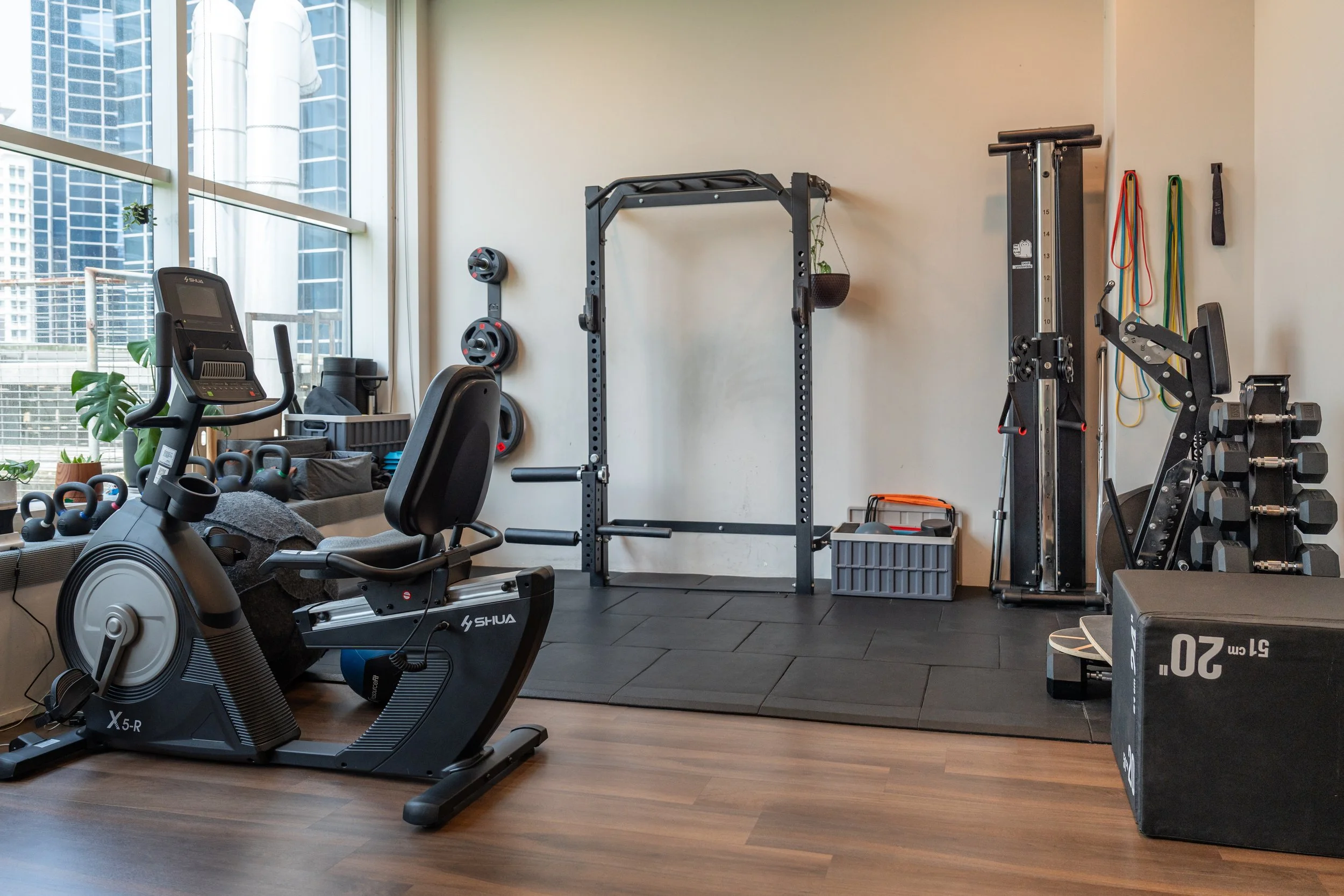
MoveMed's rehabilitation space
How Assessment How Assessment Results Change Your Rehabilitation Plan
Assessment results help your physiotherapist decide whether to continue, progress or modify your rehabilitation programme.
If strength and movement control are improving, exercises may become heavier or more complex.
If symptoms increase or a particular weakness remains, the programme may be adjusted to address the limiting factor. Regular reassessment helps ensure that treatment continues to reflect your current ability.
Readiness to return to work, exercise or sport is therefore not determined by a single test. Your physiotherapist may consider:
Whether your symptoms remain controlled
Whether sufficient mobility and strength have returned
Whether you can perform the required movements safely
Whether you can tolerate the expected workload
Whether you feel confident returning to the activity
The goal is not simply to complete rehabilitation. It is to help you return with the physical capacity and confidence needed for the demands ahead.
If you would like to understand your current stage of recovery, book a physiotherapy assessment with MoveMed at Novena or Orchard today!
About MoveMed Physiotherapy Singapore
At MoveMed, we support your recovery through purposeful movement.
Our professionally trained physiotherapists at Novena and Orchard provide tailored sessions in a well-equipped facility—featuring treatment beds, shockwave therapy machines and more —to help you regain strength, mobility, and confidence.
Whether it’s pre-op rehab, pain management or post-op rehab, our team is here to guide your journey every step of the way.
📍(Orchard) Movemed Physiotherapy, 391B Orchard Road Ngee Ann City Office Tower B. #25-03 Singapore 238874
📍(Novena) MoveMed Physiotherapy, 10 Sinaran Dr, #09-04, Novena Medical Center, Singapore 307506
🌐www.movemedsg.com
📞 Call / WhatsApp: +65 9627 2000
📧 Email: hello@movemedsg.com
