
Back Conditions
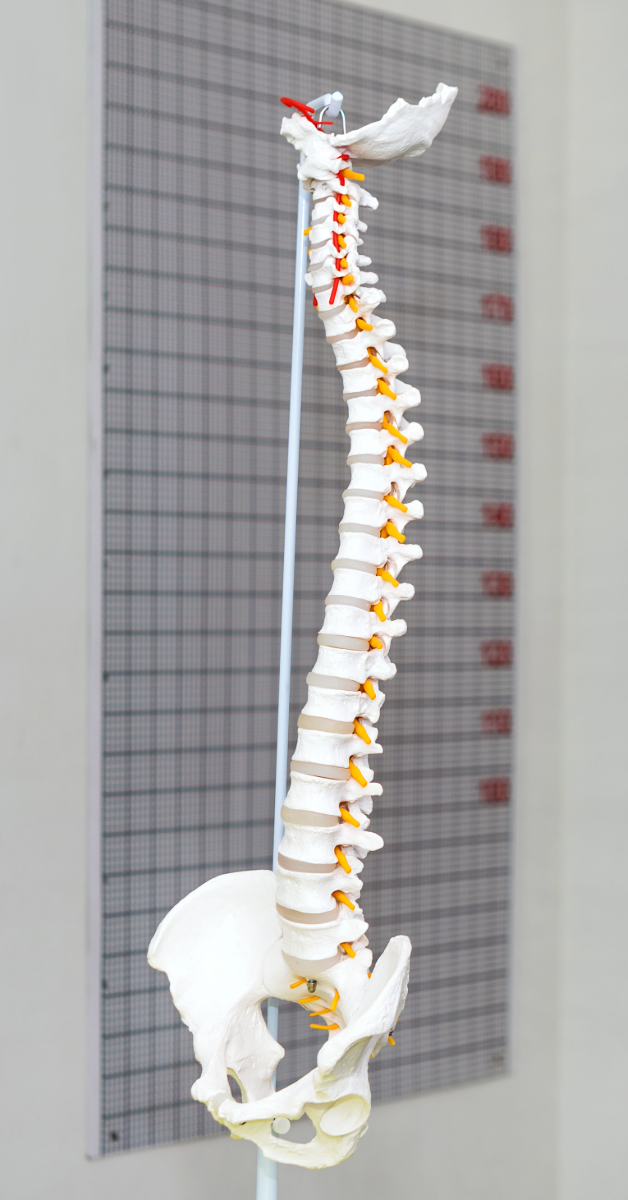
Spine Anatomical Model
-
Symptoms
Localised lower back pain or soreness
Muscle tightness or stiffness
Pain with movement (bending, lifting, twisting)
Reduced mobility or difficulty with daily activities
Treatment
Physiotherapy to reduce pain and restore movement
Targeted exercises to strengthen back and core muscles
Gradual return to activity with proper load management
Advice on posture and movement to prevent recurrence
-
A spinal condition in which the “cushion” between each vertebrae protrudes backwards, potentially irritating nearby nerves in the lower back.
Symptoms
Sharp or persistent lower back pain
Radiating pain down the leg (sciatica)
Numbness, tingling, or weakness in the leg
Pain worsens with sitting, bending, or lifting
Treatment
Physiotherapy to reduce nerve irritation and improve movement
Exercises to strengthen the core and support the spine
Posture and movement correction to reduce strain
Further assessment if symptoms persist or neurological signs worsen
-
Spondylolisthesis is a spinal condition where one vertebra slips forward or backward in relation to the vertebra below it. This displacement can cause lower back pain and/or nerve compression.
Spondylolysis is a condition characterized by a stress fracture or defect in one of the vertebrae, typically in the lower back. It can lead to chronic back pain.
Symptoms
Persistent lower back pain or stiffness
Pain that worsens with standing, walking, or extension
Tightness in the hamstrings or reduced flexibility
In some cases, nerve symptoms (e.g. tingling, weakness, or leg pain)
Treatment
Physiotherapy to improve spinal stability and reduce strain
Core strengthening to support the lower back
Movement and posture correction to manage load on the spine
Further assessment if pain persists or nerve symptoms develop
-
A medical term used to describe the compression or irritation of the spinal nerves in the lower back (lumbar region).
Symptoms
Radiating pain from the lower back into the leg (nerve pain)
Numbness, tingling, or “pins and needles” sensation
Muscle weakness in the leg or foot
Pain worsens with sitting, bending, or prolonged activity
Treatment
Physiotherapy to reduce nerve irritation and restore movement
Exercises to improve spinal mobility and core support
Posture and movement correction to reduce nerve compression
Further assessment if symptoms persist or neurological signs worsen
Common causes include lumbar disc herniation, spinal stenosis, or degenerative disc disease.
-
The inflammation of one or both of the sacroiliac joints, which connect the sacrum (the triangular bone at the base of the spine) to the ilium (the large pelvic bone). It often results in lower back and buttock pain.
Symptoms
Lower back or buttock pain (often on one side)
Pain that worsens with prolonged standing or walking
Stiffness, especially after rest or in the morning
Discomfort when transitioning from sitting to standing
Treatment
Physiotherapy to reduce inflammation and improve joint mobility
Strengthening of the core and pelvic stabilising muscles
Movement and posture correction to reduce stress on the joint
Further assessment if pain persists or affects daily function
-
An abnormal curvature of the spine, that can be classified into several types based on various factors, including the cause, age of onset, and the shape of the curvature.
Symptoms
Visible curvature of the spine or uneven shoulders/hips
Back pain or muscle fatigue (especially with prolonged activity)
Postural imbalance or asymmetry
In more severe cases, reduced mobility or discomfort with movement
Treatment
Physiotherapy to improve posture, strength, and spinal control
Targeted exercises to support the spine and reduce strain
Monitoring of curvature progression where necessary
Further assessment for moderate to severe cases
-
Symptoms
Post-surgical pain, stiffness, or reduced mobility
Weakness in the back or legs
Difficulty returning to daily activities (sitting, walking, lifting)
Fear of movement or re-injury after surgery
Treatment
Structured physiotherapy to restore movement and function
Gradual strengthening of the core and spinal support muscles
Guided return to daily activities and work
Individualised rehab following procedures such as:
Lumbar Discectomy & Annuloplasty
Lumbar Laminectomy
Lumbar Fusion
Lumbar Decompression Surgery
Related Back Pain Resources
Learn more about back pain, warning signs, procedures and physiotherapy treatment.
Back Pain Physiotherapy
How physiotherapy can help with back pain, movement and recovery.
Back Pain Red Flags
When back pain may need medical attention before physiotherapy.
Back Pain Procedures
Common back pain procedures and how physiotherapy supports recovery.