
What Is Slipped Disc: Causes and Symptoms
What Is Slipped Disc: Causes and Symptoms
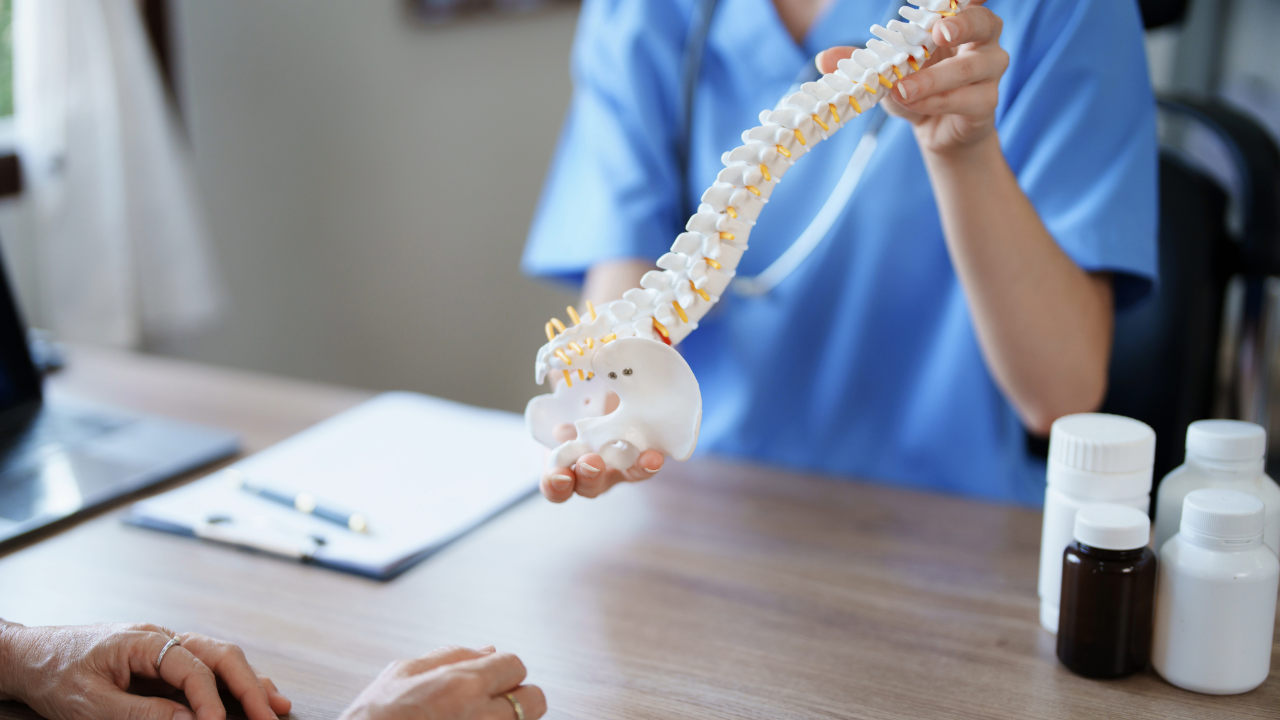
A slipped disc also known as a herniated disc or disc prolapse occurs when one of the cushioning discs between the bones of the spine becomes damaged and bulges or leaks out of its normal position.
These spinal discs act like shock absorbers, allowing the spine to move smoothly while protecting the vertebrae.
A disc has a soft, gel-like centre and a tougher outer layer. When the outer layer weakens or tears, the inner material can push outwards. This can irritate nearby nerves, leading to pain, numbness, or weakness.
What Causes Slipped Disc
Common causes of a slipped disc include:
Age-related wear and tear (disc degeneration)
Repeated bending, lifting, or twisting movements
Poor posture over long periods
Sudden trauma such as a fall or accident
Weak core or back muscles increasing spinal strain
Where Does Slipped Disc Happen
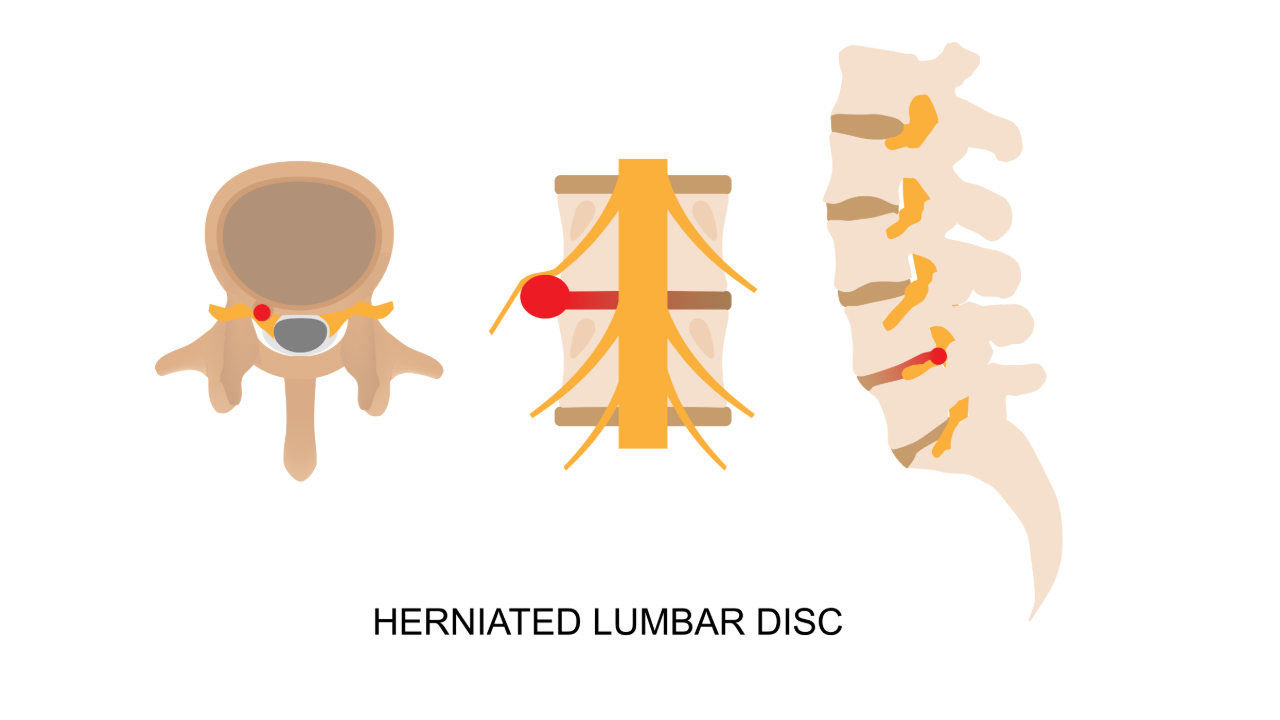
A herniated disc may not always cause constant symptoms. Many people experience flare-ups, where pain suddenly worsens after periods of relative comfort.
Flare-ups often occur due to:
Sudden or awkward movements
Prolonged sitting or poor posture
Increased physical load on the spine
Muscle tightness or spasms around the affected area
Inflammation irritating nearby nerves
Stress, fatigue, and lack of movement can also contribute indirectly by increasing muscle tension and reducing spinal support.
What Does Slipped Disc Feel Like
The symptoms of a slipped disc vary depending on its location and severity. Some people experience mild discomfort, while others may have significant pain that interferes with daily activities.
Common sensations include:
Sharp or aching pain in the back or neck
Pain radiating into the arm, leg, or buttock
Tingling or numbness
Muscle weakness
Pain that worsens with movement, coughing, or sneezing
Can Slipped Disc Pain Come and Go
Yes, slipped disc pain can come and go. Symptoms often fluctuate depending on activity levels, posture, and inflammation around the affected nerve. Some individuals may feel fine for weeks or months before pain returns, while others experience shorter cycles of relief and flare-ups.
This on-and-off pattern can make slipped disc symptoms confusing, but it does not necessarily mean the condition is worsening.
Will Slipped Disc Heal / How Herniated Disc Heal
In many cases, a slipped disc can heal over time without surgery. The body gradually reduces inflammation, and the protruding disc material may shrink or become less irritating to surrounding nerves.
Healing typically occurs through:
Natural reduction of disc inflammation
Improved spinal movement and circulation
Strengthening of supporting muscles
Activity modification and posture correction
Recovery timelines vary. Some people improve within weeks, while others may take several months. Early guidance, appropriate movement, and rehabilitation can play an important role in supporting recovery and reducing the risk of recurrence.
About MoveMed Physiotherapy Singapore
At MoveMed, we support your recovery through purposeful movement.
Our professionally trained physiotherapists at Novena provide tailored sessions in a well-equipped facility—featuring treatment beds, shockwave therapy machines and more —to help you regain strength, mobility, and confidence.
Whether it’s pre-op rehab, pain management or post-op rehab, our team is here to guide your journey every step of the way.
📞 Call / WhatsApp: +65 9627 2000
📧 Email: hello@movemedsg.com
Regain control. Move better. Live stronger.
