
How Many Physiotherapy Sessions Will I Need?

How Many Physiotherapy Sessions Will I Need?
How Many Physiotherapy Sessions Will I Need?
One of the most common questions people have before starting physiotherapy is simple: how many sessions will I actually need?
There is no fixed number that applies to everyone. A minor injury that is already improving may require only a short period of physiotherapy, while rehabilitation after surgery or a long-standing condition can take considerably longer.
Read on as we help you to get a gauge of how many sessions are ideal for your condition!
Why There Isn't a Fixed Number of Physiotherapy Sessions
Two people with the same diagnosis can have very different rehabilitation journeys.
For example, one person with knee pain may still be exercising normally. Another person with knee pain may have difficulty climbing stairs, significant weakness and a goal of returning to competitive sport.
The diagnosis may be similar, but what each person needs from physiotherapy is different.
The number and frequency of sessions can therefore depend on factors such as:
The type and severity of your condition
How long you have had the problem
Your current strength, mobility and physical function
Whether you have recently undergone surgery
Your age, general health and activity level
Your work, lifestyle or sporting demands
Your rehabilitation goals
How consistently you complete your rehabilitation between sessions
How your body responds as treatment progresses
This is why an initial physiotherapy assessment is important. It gives your physiotherapist a clearer picture of where you are starting from before deciding what rehabilitation may be appropriate.
What Happens During Those Sessions?
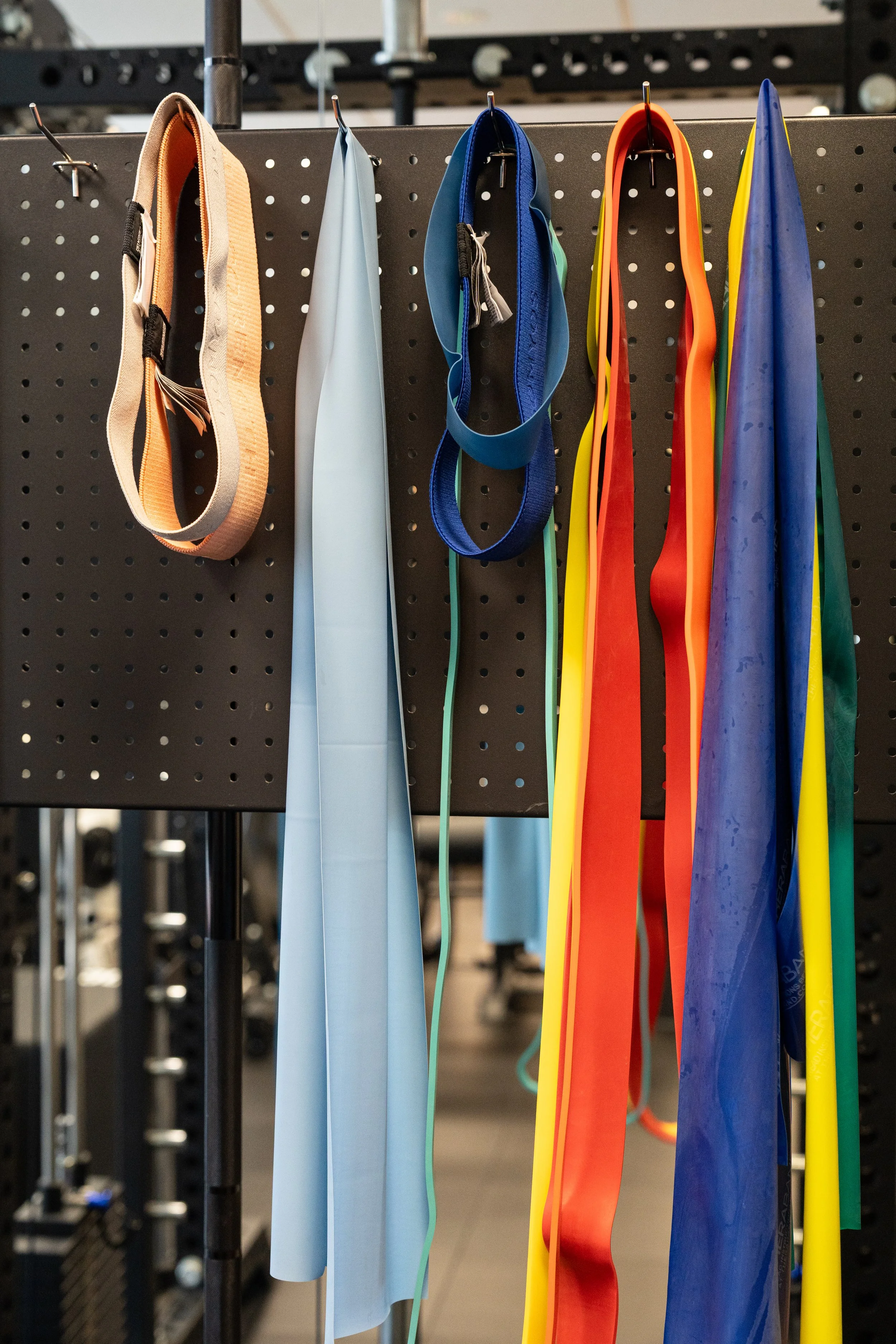
Physiotherapy is not necessarily the same treatment repeated at every appointment.
Your rehabilitation may change as you progress.
An early session might focus more heavily on understanding your symptoms, restoring comfort.
Later sessions may progressively challenge strength, control, balance, endurance or sport-specific movements.
For someone returning to running, for example, rehabilitation might eventually involve progressively loading the legs and assessing how the body responds to running-related demands. Someone recovering from surgery may instead progress through different strength and functional milestones before returning to normal activity.
This progression is one reason reassessment matters. What you need in session one may be very different from what you need several weeks later.
Does the Type of Injury Affect the Number of Sessions?
Yes. The nature of the problem can significantly affect the rehabilitation timeline.
A relatively straightforward recent injury may progress quickly
Long-standing problems can require more time because rehabilitation may need to address strength, mobility, movement habits and gradually rebuild tolerance to activity.
Post-operative rehabilitation is usually different again. Recovery is influenced by another list of factors such as the procedure performed, healing timelines, your starting level of function and so on..
This is why feeling better and being ready to return fully to activity are not always the same milestone.
What Treatments Might Be Used During Physiotherapy?
Treatment depends on the findings from your assessment rather than simply choosing a piece of equipment for a particular diagnosis.
Exercise-based rehabilitation can include resistance bands, free weights and other strength and conditioning equipment to progressively rebuild strength, mobility and physical capacity.
It may also require specialised equipments or methods such as manual therapy, dry needling, therapeutic ultrasound or shockwave therapy alongside an active rehabilitation programme.
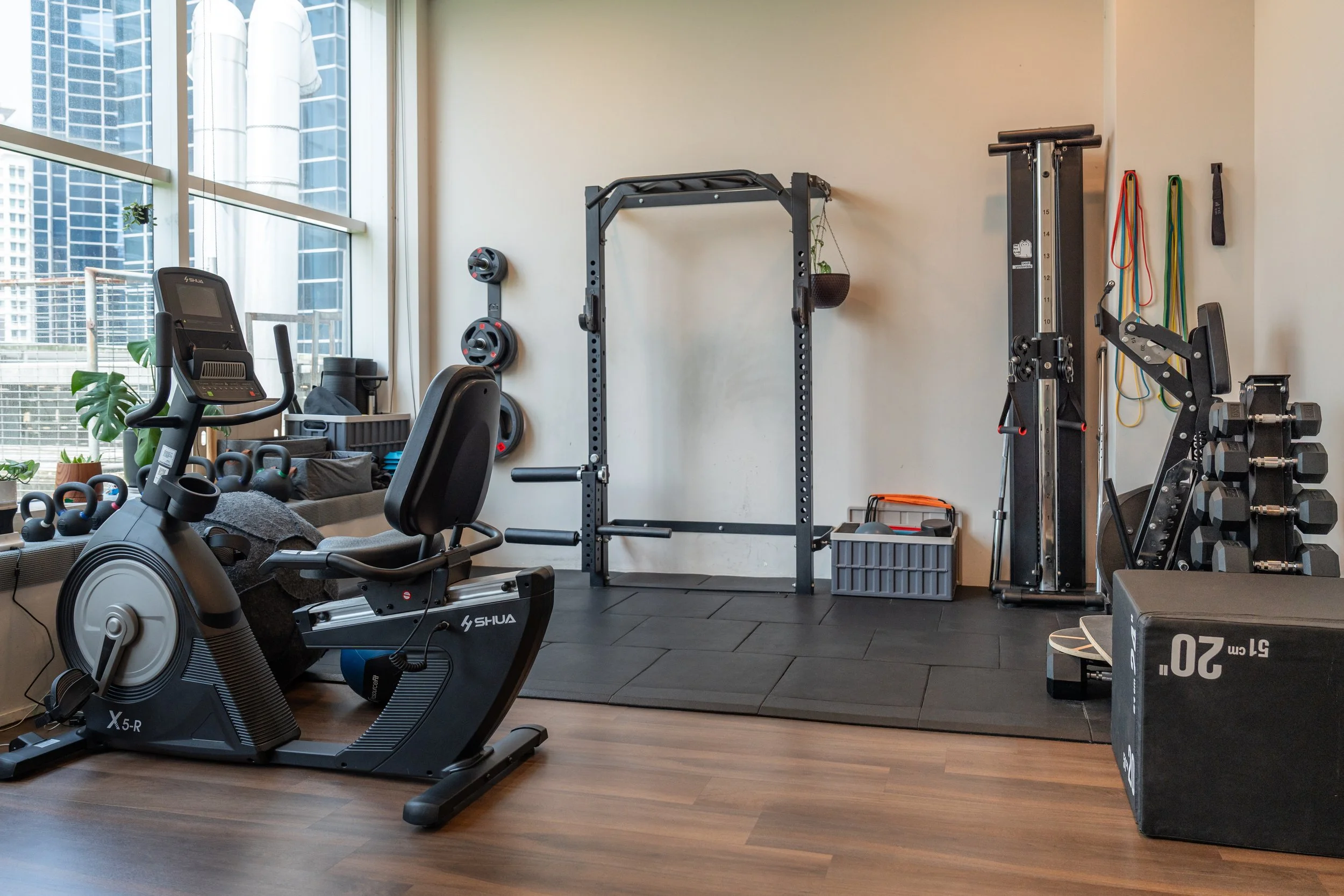
MoveMed's rehabilitation space allows treatment to progress from clinical assessment and targeted treatment to strength, conditioning and functional rehabilitation.
-
Progress should be assessed using more than simply asking whether you feel better.
Depending on your condition and goals, your physiotherapist may look at changes in:
Pain and symptoms: Are everyday movements becoming more comfortable?
Range of motion: Has restricted movement improved?
Strength: Can you produce and tolerate more force?
Function: Can you walk, climb stairs, work or perform everyday activities more comfortably?
Exercise capacity: Are you able to perform progressively more demanding exercises?
Sport-specific ability: Can you run, jump, change direction or perform the movements your sport requires?
These changes help determine whether your current programme should continue, progress or be modified. -
Unfortunately that is not always the case.
More physiotherapy appointments do not automatically produce faster biological healing. Your body still needs time to recover and adapt.
What happens between appointments can be equally important.
Following your prescribed exercises, managing training loads appropriately and communicating changes in your symptoms can all contribute to rehabilitation. -
The decision should ideally be based on progress rather than an arbitrary number of appointments.
You may be ready to reduce the frequency of physiotherapy when you are progressing well independently and no longer require frequent supervision or modification of your programme.
Eventually, discharge may be appropriate when you have reached your agreed rehabilitation goals, can manage your condition independently, or have an appropriate plan for continuing exercise and activity on your own.
Start With an Assessment, Not a Session Number
It is understandable to want to know the cost and time commitment involved before starting physiotherapy. However, an exact number of sessions cannot be determined reliably without understanding the problem first.
A physiotherapy assessment can establish your current symptoms, movement, strength, function and goals. From there, your physiotherapist can explain the likely rehabilitation process and reassess your progress as treatment continues.
At MoveMed Physiotherapy, rehabilitation is tailored according to the individual rather than a predetermined number of appointments. With clinics in Novena and Orchard, our physiotherapists work with patients across musculoskeletal conditions, sports injuries and post-operative rehabilitation.
The better question is
“What needs to improve for me to get back to what I want to do?”
That gives both the patient and physiotherapist a much more meaningful target to work towards.
About MoveMed Physiotherapy Singapore
At MoveMed, we support your recovery through purposeful movement.
Our professionally trained physiotherapists at Novena and Orchard provide tailored sessions in a well-equipped facility—featuring treatment beds, shockwave therapy machines and more —to help you regain strength, mobility, and confidence.
Whether it’s pre-op rehab, pain management or post-op rehab, our team is here to guide your journey every step of the way.
📍(Orchard) Movemed Physiotherapy, 391B Orchard Road Ngee Ann City Office Tower B. #25-03 Singapore 238874
📍(Novena) MoveMed Physiotherapy, 10 Sinaran Dr, #09-04, Novena Medical Center, Singapore 307506
🌐www.movemedsg.com
📞 Call / WhatsApp: +65 9627 2000
📧 Email: hello@movemedsg.com
