
Returning to Sport After Injury: How Progress Is Assessed

Returning to Sport After Injury
Returning to sport after an injury is not simply about being pain-free.
Many individuals feel better and resume activity too early, only to experience recurring pain or a re-injury. At MoveMed Physiotherapy, return-to-sport decisions are based on objective progress markers, not just symptoms.
A structured approach ensures that the body is not only healed, but also ready to tolerate the demands of sport again.
Why “Pain-Free” Is Not Enough
Pain is only one indicator of recovery. It does not always reflect:
Strength deficits
Reduced joint control
Poor movement patterns
Load tolerance
An athlete may feel fine at rest but still lack the capacity to handle running, jumping, or lifting.
Returning too early often leads to:
Re-injury
Compensatory movement patterns
Longer recovery timelines
What Does “Return to Sport Ready” Mean?
Being ready to return to sport means:
The injured area can tolerate sport-specific loads
Movement quality is restored
Strength is comparable to the uninjured side
The athlete can perform under fatigue without breakdown
Recovery is not just about healing, it is about restoring performance capacity.
How Progress Is Assessed
At MoveMed, recovery is assessed across several key areas:
| Assessment Area | What We Look For |
|---|---|
| Pain Response | Does pain return during or after activity? Is there delayed soreness? |
| Strength | Is strength symmetrical compared to the other side? |
| Mobility | Is full range of motion restored without compensation? |
| Control & Stability | Can the body control movement under load (e.g. landing, pivoting)? |
| Load Tolerance | Can the athlete handle repeated activity without flare-ups? |
Functional Testing Before Return
Beyond basic assessments, functional testing is essential. These tests simulate real sport demands.
| Test Type | Purpose |
|---|---|
| Single-leg squat / hop | Assess strength, balance, and control |
| Jump and landing mechanics | Evaluate shock absorption and joint stability |
| Agility drills | Test direction change and coordination |
| Sport-specific drills | Replicate real movement patterns |
Phases of Return to Sport
Recovery typically follows a progression rather than a single step.
| Phase | Focus |
|---|---|
| Early Rehab | Pain control, restore movement, basic strength |
| Mid Rehab | Progressive strengthening, movement correction |
| Late Rehab | Sport-specific drills, load tolerance |
| Return to Sport | Gradual reintegration into training and competition |
Common Mistakes During Return
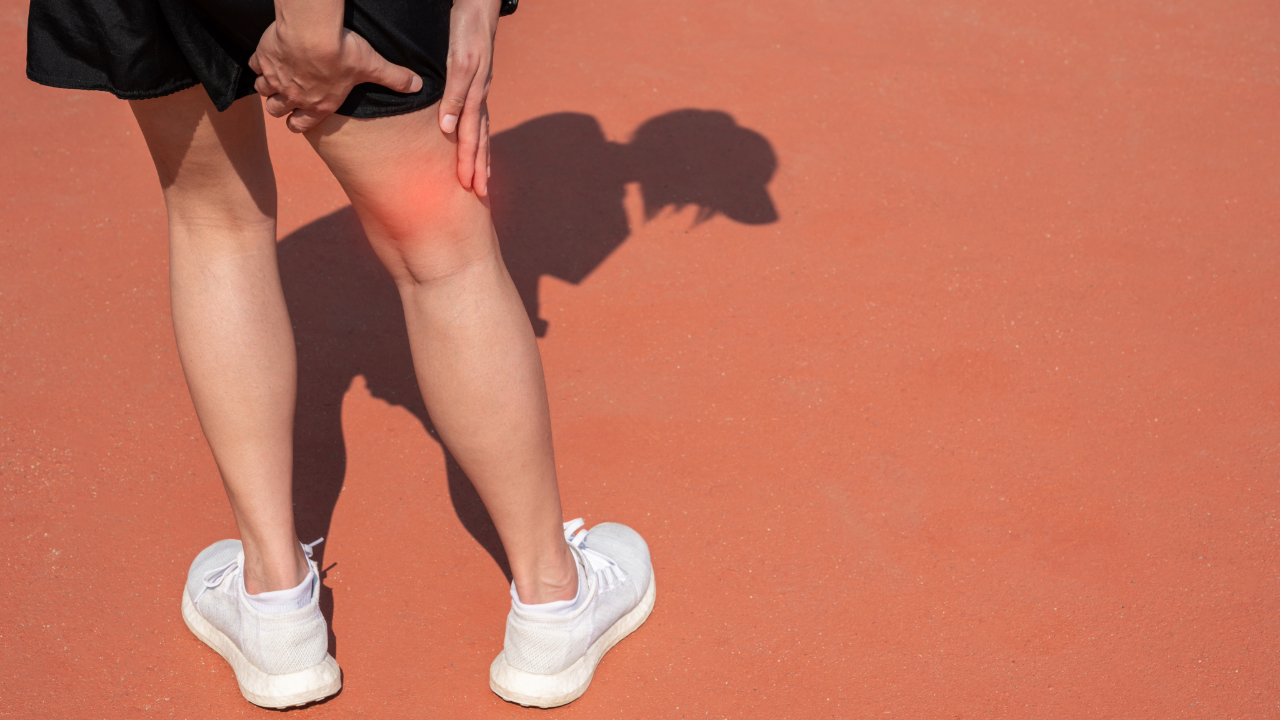
Leg Injuries
Many athletes unknowingly delay their recovery by returning to sport too early simply because pain has reduced. While symptoms may feel manageable, underlying strength and control may not yet be fully restored.
Another common issue is increasing training intensity too quickly, which places excessive stress on tissues that are not ready to handle the load.
Movement quality is often overlooked during this phase. Without proper control, compensations can develop, increasing the risk of further injury. In addition, failing to address underlying weaknesses such as poor stability or muscle imbalances can lead to recurring problems. Skipping structured rehabilitation altogether is another key factor that prolongs recovery.
Ultimately, recovery is not just about time, it is about the quality of progression and how well the body adapts to increasing demands.
The Role of Physiotherapy
A structured physiotherapy programme plays a critical role in ensuring a safe return to sport. Through proper assessment, clinicians can determine whether an individual is truly ready to progress, rather than relying solely on symptom relief. Rehabilitation is then tailored to the individual, taking into account their sport, injury history, and movement patterns.
Physiotherapy also focuses on correcting faulty movement mechanics and restoring strength in a balanced and controlled way. This reduces the likelihood of re-injury and ensures that the body is prepared for the demands of sport.
At MoveMed Physiotherapy, we guide patients through each stage of recovery with a structured and progressive approach, ensuring that return to sport is safe, sustainable, and aligned with long-term performance goals.
Final Thoughts
Returning to sport after injury is not a single decision, it is a process that requires careful progression. Being pain-free is only one step in recovery. True readiness comes from restoring strength, movement control, and confidence under load.
With proper assessment and structured rehabilitation, athletes can return not just to participation, but to performance, reducing the risk of setbacks and building long-term resilience.
About MoveMed Physiotherapy Singapore
At MoveMed, we support your recovery through purposeful movement.
Our professionally trained physiotherapists at Novena and Orchard provide tailored sessions in a well-equipped facility—featuring treatment beds, shockwave therapy machines and more —to help you regain strength, mobility, and confidence.
Whether it’s pre-op rehab, pain management or post-op rehab, our team is here to guide your journey every step of the way.
📍(Orchard) Movemed Physiotherapy, 391B Orchard Road Ngee Ann City Office Tower B. #25-03 Singapore 238874
📍(Novena) MoveMed Physiotherapy, 10 Sinaran Dr, #09-04, Novena Medical Center, Singapore 307506
🌐www.movemedsg.com
📞 Call / WhatsApp: +65 9627 2000
📧 Email: hello@movemedsg.com
Regain control. Move better. Live stronger.
