
Leg Pain, Calf Tightness, or Swelling: When to Seek Medical Attention
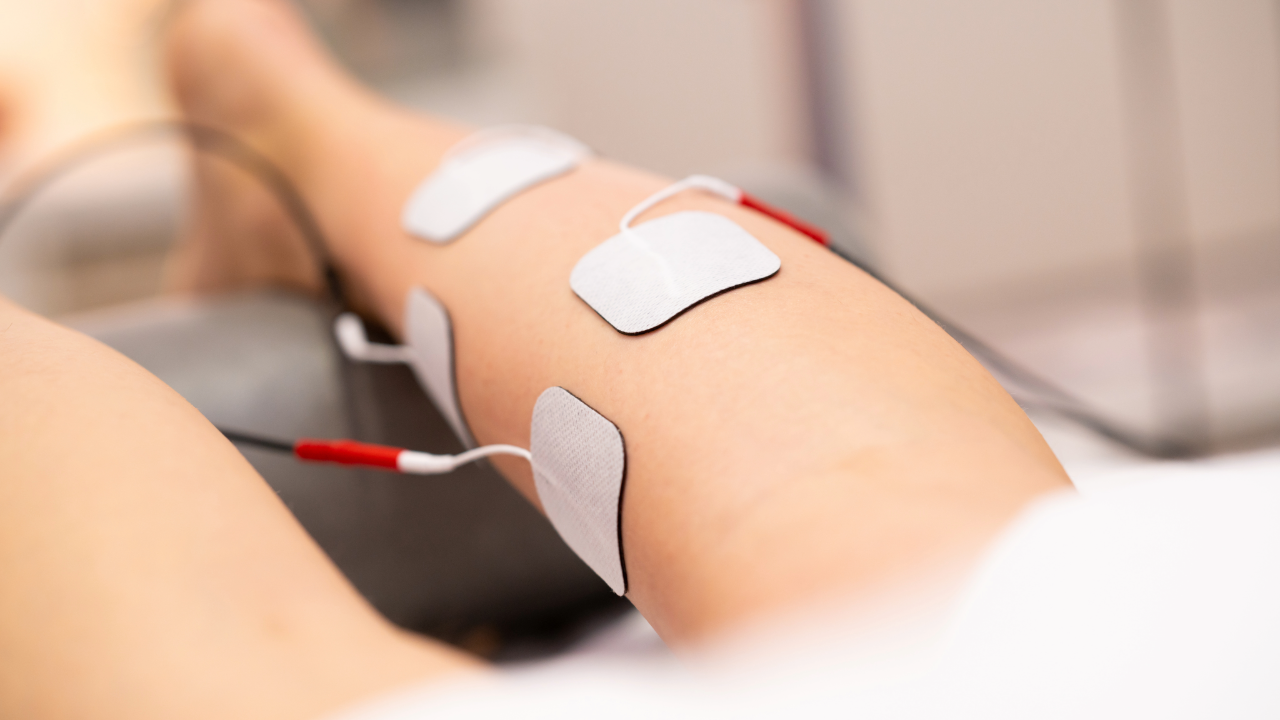
Leg Pain, Calf Tightness, or Swelling:
Leg pain, calf tightness, or swelling are common complaints that many people experience at some point, whether from exercise, long hours of sitting, or everyday strain.
In most cases, these symptoms are mild and resolve on their own.
However, there are situations where these signs may indicate something more serious and should not be ignored.
Knowing the difference between normal muscle discomfort and a potential medical issue is important in deciding when to seek help.
When Leg Pain Is Likely Harmless

Leg Injuries
Not all leg pain is a cause for concern. In many cases, symptoms are related to muscle fatigue or overuse.
This commonly happens when:
you have recently exercised more than usual
muscles feel sore after activity (delayed onset muscle soreness)
there is mild tightness without swelling
symptoms improve with rest or light movement
These types of discomfort are usually temporary and tend to resolve within a few days. Gentle stretching, hydration, and gradual return to activity are often sufficient for recovery.
Warning Signs You Should Not Ignore

Warning Signs of Injury
There are certain symptoms that may indicate a more serious condition, particularly when related to circulation or nerve involvement.
You should seek medical attention if you experience:
swelling in one leg that does not reduce over time
calf pain accompanied by warmth or redness
sudden or severe pain without clear cause
pain that worsens instead of improving
numbness, tingling, or weakness in the leg
difficulty walking or bearing weight
These signs may point to underlying issues that require proper assessment.
Understanding Possible Causes
Leg pain and calf tightness can arise from a variety of conditions, ranging from simple muscle strain to more complex medical issues.
Some common causes include:
-
This is the most common cause, especially in active individuals. Tightness and soreness are typically localised and improve with rest.
-
Swelling or heaviness in the leg may be linked to circulation issues, especially after prolonged sitting or standing.
-
Conditions such as lower back problems may cause pain that radiates down the leg, sometimes accompanied by numbness or tingling.
-
In some cases, symptoms such as swelling, warmth, and persistent pain may indicate more serious issues involving blood flow. These situations require prompt medical evaluation.
When to Seek Medical Attention
If symptoms persist beyond a few days, worsen over time, or are accompanied by swelling or neurological signs, it is advisable to seek professional assessment.
Early evaluation helps to:
rule out serious conditions
identify the root cause of pain
prevent symptoms from worsening
Ignoring persistent symptoms may lead to delayed recovery or complications.
When Physiotherapy Can Help
For many patients, leg pain and calf tightness are related to muscle imbalances, movement patterns, or underlying biomechanical issues.
Physiotherapy can help by:
identifying the source of pain
improving mobility and flexibility
restoring strength and function
guiding safe return to activity
At MoveMed Physiotherapy, treatment is tailored to each individual, ensuring that both symptoms and root causes are addressed.
What You Should Do Next
If your symptoms are mild and improving, simple self-management may be sufficient. However, if you are unsure or experiencing warning signs, it is always safer to seek professional advice.
Early intervention can make a significant difference in recovery and prevent minor issues from becoming long-term problems.
Learn more about how we assess and treat leg-related conditions:
Physiotherapy Services in Singapore
Final Thoughts
Leg pain, calf tightness, or swelling are not always serious but they should not be ignored when symptoms persist or worsen.
Understanding when to monitor and when to seek help allows you to take control of your recovery and avoid unnecessary complications.
About MoveMed Physiotherapy Singapore
At MoveMed, we support your recovery through purposeful movement.
Our professionally trained physiotherapists at Novena and Orchard provide tailored sessions in a well-equipped facility—featuring treatment beds, shockwave therapy machines and more —to help you regain strength, mobility, and confidence.
Whether it’s pre-op rehab, pain management or post-op rehab, our team is here to guide your journey every step of the way.
📍(Orchard) Movemed Physiotherapy, 391B Orchard Road Ngee Ann City Office Tower B. #25-03 Singapore 238874
📍(Novena) MoveMed Physiotherapy, 10 Sinaran Dr, #09-04, Novena Medical Center, Singapore 307506
🌐www.movemedsg.com
📞 Call / WhatsApp: +65 9627 2000
📧 Email: hello@movemedsg.com
Regain control. Move better. Live stronger.
