
Running Injuries vs Gym Injuries: How Recovery Differs
Do You Need a Referral to See a Physiotherapist in Singapore
Running and gym training are both excellent for health, strength, and performance.
However, the types of injuries they produce and the way they should be managed are often very different.
At MoveMed Physiotherapy, we frequently see patients who assume that all injuries recover the same way. In reality, recovery strategies depend heavily on:
The type of load involved
The tissue affected
Whether the injury is acute or overuse
The athlete’s training goals
Understanding these differences helps prevent prolonged pain and repeated flare-ups.
Common Running Injuries
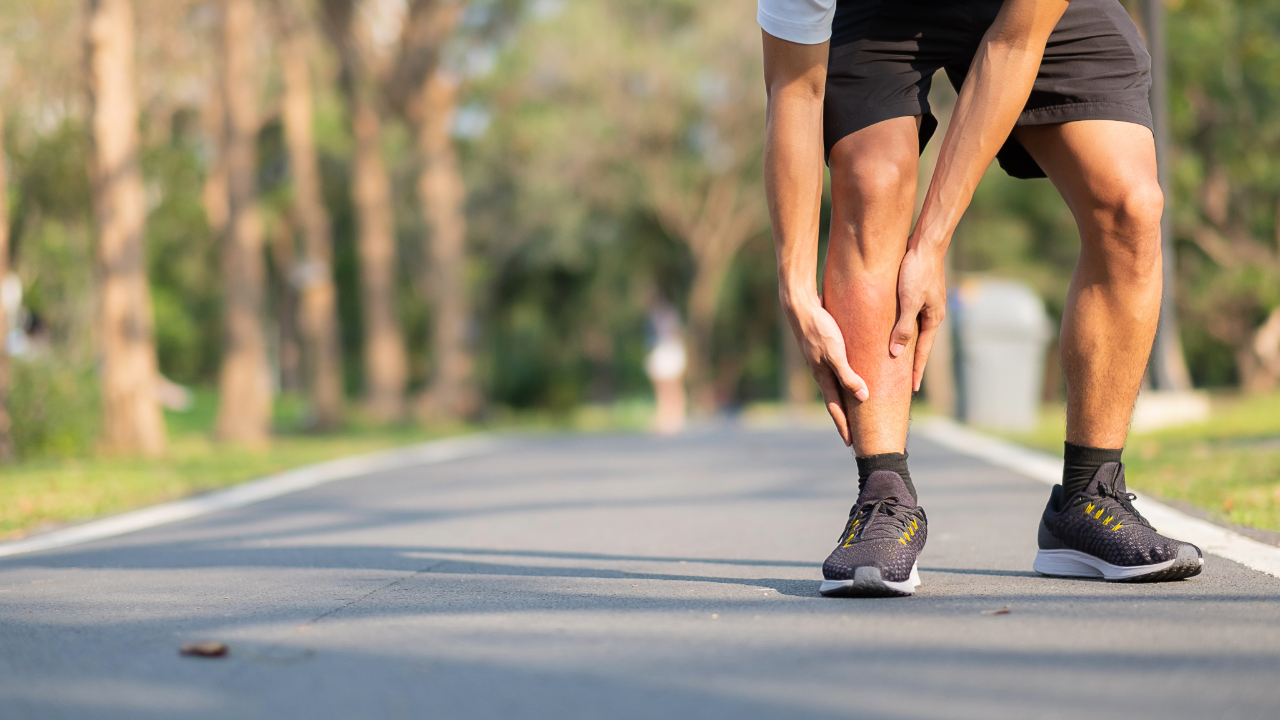
Running Injuries
| Common Running Injury | Typical Cause | Main Tissue Involved |
|---|---|---|
| Runner’s knee (Patellofemoral pain) | Overuse, poor hip control, increased mileage | Knee joint / surrounding structures |
| Shin splints (Medial tibial stress syndrome) | Sudden training increase, hard surfaces | Bone stress / soft tissue irritation |
| Achilles tendinopathy | Repetitive loading, poor calf strength | Tendon |
| Plantar fasciitis | Foot loading imbalance | Plantar fascia |
| IT band syndrome | Poor hip stability, repetitive friction | Fascial tissue |
Key Pattern:
Running injuries are usually gradual, load related and likely from mileage and terrain (how far and where one runs).
Recovery focuses heavily on load modification, biomechanical correction, and progressive strengthening.
Common Gym Injuries
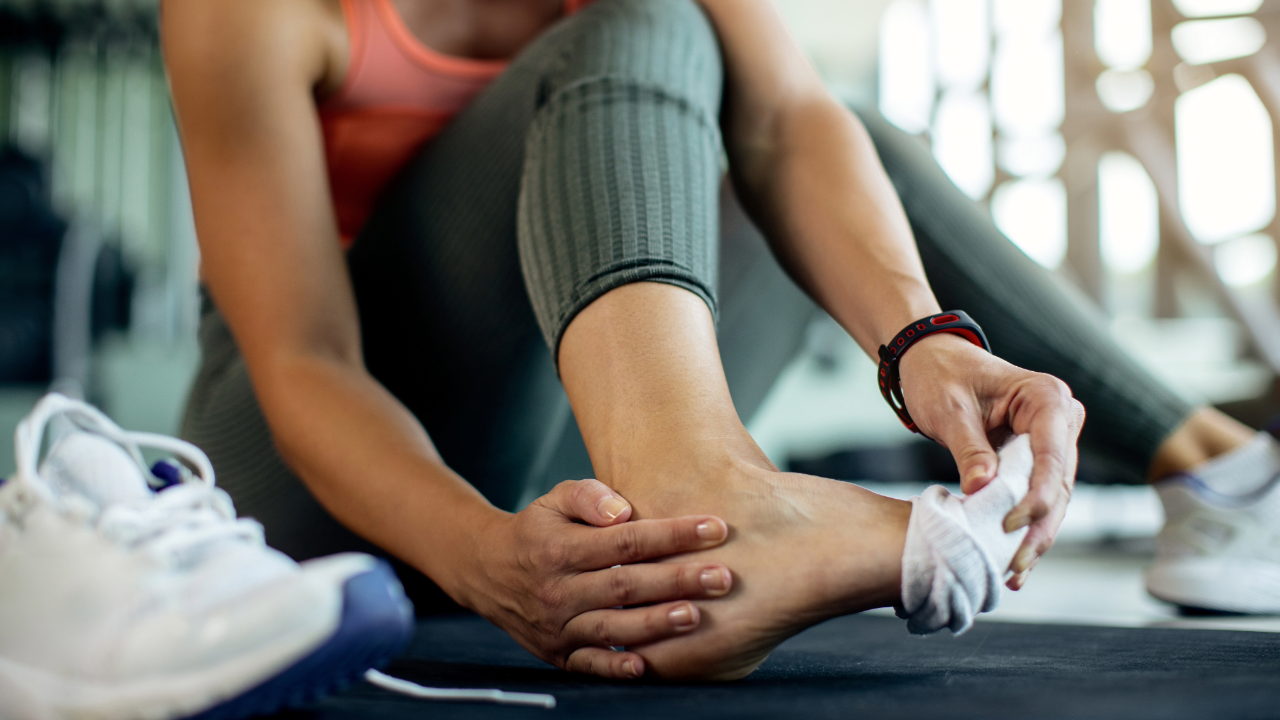
Gym Injuries
Gym injuries are often acute or overload-based, especially when involving heavy weights or poor technique.
| Common Gym Injury | Typical Cause | Main Tissue Involved |
|---|---|---|
| Lower back strain | Poor lifting mechanics | Muscle / ligament |
| Shoulder impingement | Overhead pressing imbalance | Rotator cuff / joint |
| Pectoral strain | Heavy bench press overload | Muscle |
| Knee ligament strain | Improper squat mechanics | Ligament |
| Wrist / elbow tendon irritation | Grip overload / repetitive strain | Tendon |
Key Pattern:
Gym injuries are often sudden onsets that are technique-related or associated with high load. Recovery usually requires controlled rest, movement correction, and gradual reload progression.
How Recovery Differs
While both injury types involve pain and inflammation, the rehabilitation strategy differs significantly.
| Factor | Running Injuries | Gym Injuries |
|---|---|---|
| Onset | Gradual over weeks | Often sudden or acute |
| Main Cause | Cumulative repetitive load | Excessive force or poor form |
| Early Recovery Focus | Reduce mileage & adjust training volume | Control inflammation & protect injured tissue |
| Rehab Emphasis | Endurance & load tolerance | Strength symmetry & technique correction |
| Return to Sport Strategy | Gradual mileage build-up | Progressive load reintroduction |
Why Rest Alone Is Not Enough
For both running and gym injuries, complete rest without guided rehabilitation often leads to deconditioning, weakness, recurring pain, and reduced movement control.
Learn more about what we treat here
While short-term rest may calm symptoms, long-term recovery requires progressive and structured loading of the injured tissue. Recovery is not about avoiding movement, it is about restoring strength, stability, and coordination safely.
For runners, this may involve cadence adjustments, improving hip control, and rebuilding calf strength to tolerate repetitive load. For gym athletes, recovery may require refining squat or deadlift mechanics, restoring shoulder stability, and correcting strength imbalances that contributed to the injury in the first place. The goal is controlled progression — not passive waiting.
Timeline Expectations
Running injuries often require:
4–8 weeks for mild tendinopathies
Longer for bone stress reactions
Gym-related strains may:
Improve within 2–6 weeks for mild muscle strains
Take longer if joint or ligament structures are involved
Recovery timelines vary depending on severity and how early intervention begins.
When To Seek Physiotherapy
You should seek assessment if:
Pain persists beyond 1–2 weeks
Pain worsens with repeated activity
There is swelling or instability
You cannot return to previous performance level
Early physiotherapy reduces long-term downtime.
At MoveMed Physiotherapy, we assess the root cause of your injury, not just the symptoms, and design a recovery plan aligned with your training goals, whether that is returning to marathon mileage or lifting confidently again.
About MoveMed Physiotherapy Singapore
At MoveMed, we support your recovery through purposeful movement.
Our professionally trained physiotherapists at Novena and Orchard provide tailored sessions in a well-equipped facility—featuring treatment beds, shockwave therapy machines and more —to help you regain strength, mobility, and confidence.
Whether it’s pre-op rehab, pain management or post-op rehab, our team is here to guide your journey every step of the way.
📍(Orchard) Movemed Physiotherapy, 391B Orchard Road Ngee Ann City Office Tower B. #25-03 Singapore 238874
📍(Novena) MoveMed Physiotherapy, 10 Sinaran Dr, #09-04, Novena Medical Center, Singapore 307506
🌐www.movemedsg.com
📞 Call / WhatsApp: +65 9627 2000
📧 Email: hello@movemedsg.com
Regain control. Move better. Live stronger.
