
Physiotherapy vs MRI: What Should Come First?
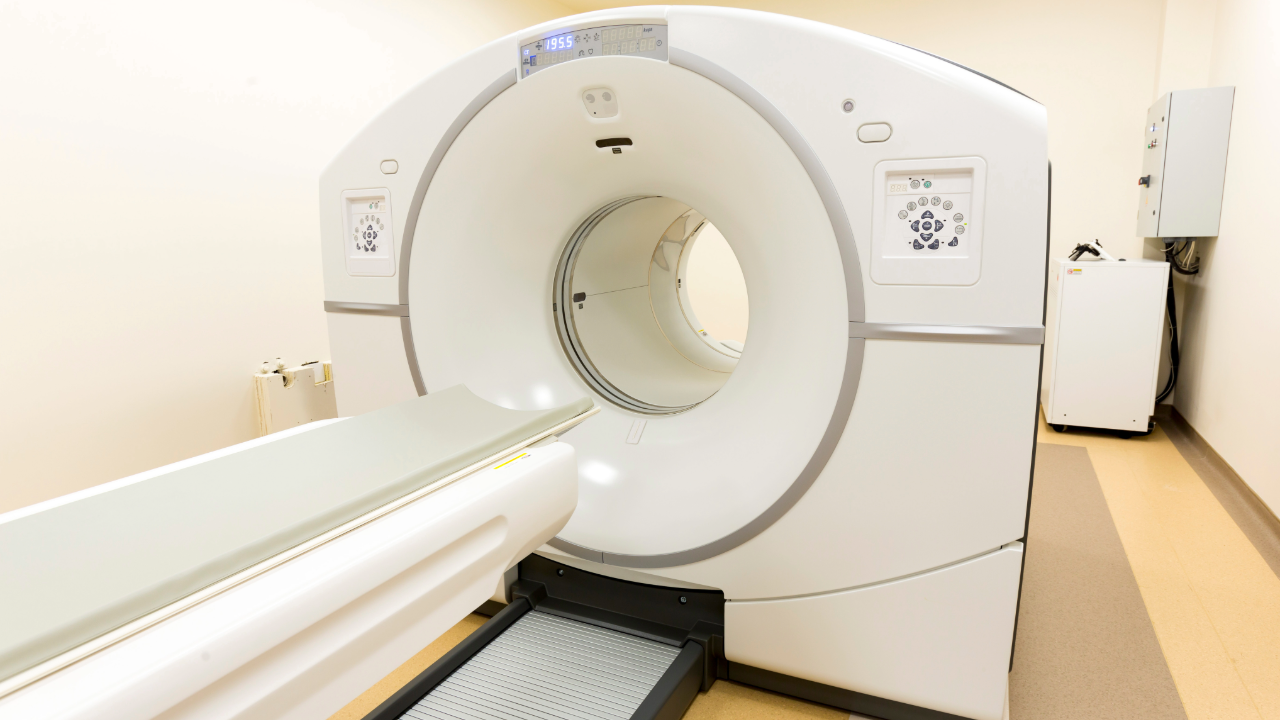
Physiotherrapy vs MRI
When pain or injury occurs, many patients assume the first step should be getting a scan. One of the most common questions people ask is:
“Should I get an MRI first, or see a physiotherapist?”
While imaging such as MRI scans can be helpful in certain situations, they are not always the first step in managing musculoskeletal pain or injuries. In many cases, a clinical assessment by a physiotherapist can provide the necessary diagnosis and treatment plan without requiring immediate imaging.
Understanding when physiotherapy or MRI should come first can help patients avoid unnecessary tests while receiving appropriate care for their condition.
What an MRI Actually Shows
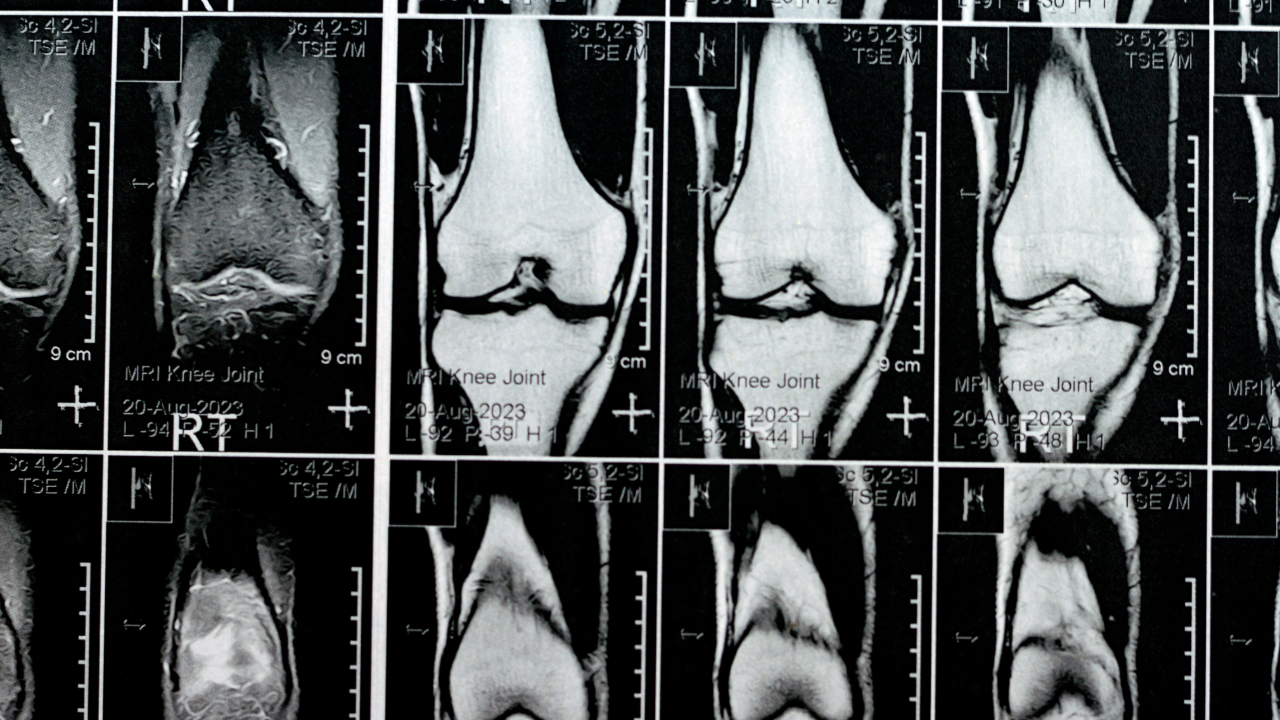
Knee MRI
An MRI (Magnetic Resonance Imaging) scan produces detailed images of the body's soft tissues, including:
muscles
ligaments
tendons
cartilage
intervertebral discs
MRI scans are useful when doctors need to investigate structural problems such as:
ligament tears
disc herniations
severe joint damage
certain nerve compressions
However, MRI findings do not always explain a person’s symptoms. Studies have shown that many people without pain may still show abnormalities on MRI scans, particularly in areas such as the spine.
Because of this, MRI results must always be interpreted alongside a clinical assessment and physical examination.
When Physiotherapy Assessment Comes First

Physiotherapy for Back Pain
For most musculoskeletal problems, the first step is usually a clinical assessment rather than imaging.
During a physiotherapy consultation, the physiotherapist evaluates several key factors:
the patient’s symptoms and medical history
movement patterns and joint function
muscle strength and flexibility
nerve involvement or mechanical restrictions
This assessment often allows physiotherapists to identify the underlying cause of pain and begin treatment immediately.
Many common conditions such as:
muscle strains
tendon irritation
joint stiffness
overuse injuries
can be diagnosed and treated effectively without an MRI.
Early physiotherapy intervention also helps patients recover faster by addressing the functional cause of pain rather than just identifying structural findings.
Situations Where MRI May Be Needed First
Although physiotherapy assessment is often the first step, there are situations where imaging may be necessary.
MRI scans may be recommended when there are signs suggesting more serious conditions, including:
significant trauma or suspected fractures
severe neurological symptoms such as numbness or weakness
suspected ligament rupture
persistent pain that does not improve with treatment
In these cases, imaging helps doctors and physiotherapists understand the extent of the injury before deciding on further treatment.
Patients who experience serious warning symptoms should seek medical evaluation first, as discussed in our related article:
Back Pain Red Flags: When You Should See a Doctor First
https://www.movemedsg.com/back-pain
This helps rule out conditions that require urgent medical attention.
Why MRI Is Not Always Necessary for Pain
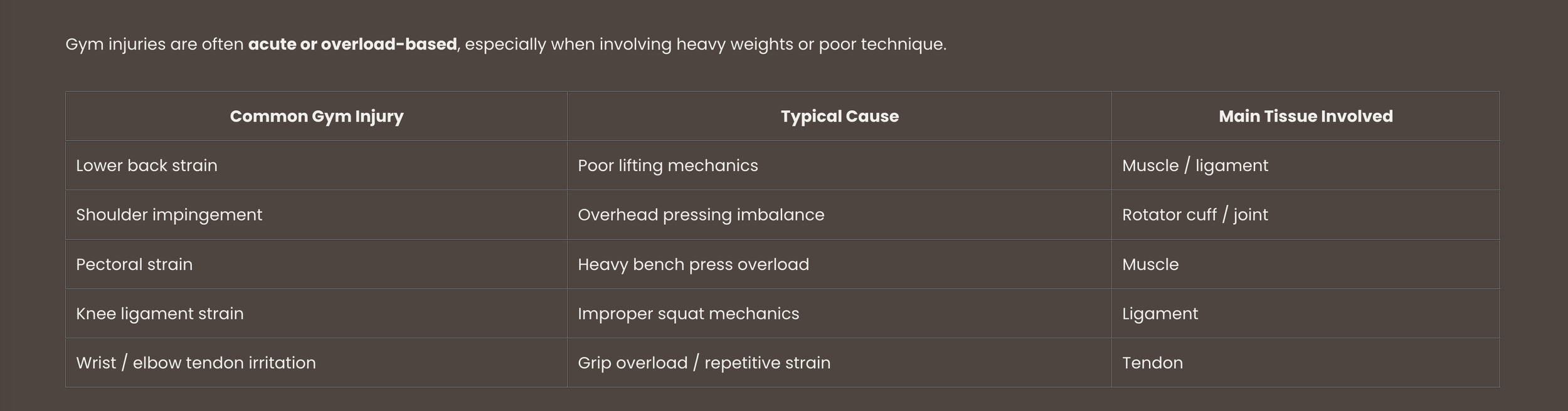
Common Gym Injuries
A common misconception is that pain always means structural damage.
In reality, many pain conditions arise from issues such as:
muscle imbalance
joint stiffness
poor movement patterns
overuse or load management problems
These problems do not always appear clearly on MRI scans.
Because physiotherapy focuses on restoring movement, strength, and function, treatment can still be highly effective even without imaging.
For example, athletes returning to sport after injury often recover through structured rehabilitation programmes that focus on strength, mobility, and progressive loading rather than relying solely on imaging findings.
You can learn more about this approach in our article:
Returning to Sport After Injury: How Progress Is Assessed
https://www.movemedsg.com/articles/returning-to-sport-after-injury-how-progress-is-assessed
The Cost and Considerations
Another reason physiotherapy often comes first is practicality.
MRI scans can be:
costly
time-consuming
unnecessary in many cases
Clinical guidelines in many countries recommend conservative treatment first, especially for common musculoskeletal problems such as back pain.
Physiotherapy provides a safe starting point where patients can begin treatment immediately while monitoring their progress.
Physiotherapy Prices in Singapore
If symptoms do not improve or if more serious issues are suspected, imaging can then be arranged.
Diagnosis and Treatment
In most situations, the best approach is a step-by-step evaluation process.
This usually follows a sequence such as:
clinical assessment by a physiotherapist
initial treatment and rehabilitation
monitoring of progress
referral for imaging if symptoms persist or worsen
This approach helps patients avoid unnecessary medical tests while ensuring that serious conditions are not missed.
When to Seek Medical Attention
Although physiotherapy is often the first step for musculoskeletal pain, patients should seek medical attention if they experience symptoms such as:
severe or worsening pain
numbness or weakness in the limbs
unexplained swelling
symptoms following significant trauma
For example, leg pain accompanied by swelling or tightness may require medical evaluation before physiotherapy begins.
How Physiotherapy Supports Recovery
Once serious conditions have been ruled out, physiotherapy focuses on restoring normal function through:
targeted strengthening exercises
mobility and flexibility work
movement retraining
progressive rehabilitation programmes
These treatments aim to address the root cause of pain, allowing patients to return safely to daily activities, work, and sports.
About MoveMed Physiotherapy Singapore
At MoveMed, we support your recovery through purposeful movement.
Our professionally trained physiotherapists at Novena and Orchard provide tailored sessions in a well-equipped facility—featuring treatment beds, shockwave therapy machines and more —to help you regain strength, mobility, and confidence.
Whether it’s pre-op rehab, pain management or post-op rehab, our team is here to guide your journey every step of the way.
📍(Orchard) Movemed Physiotherapy, 391B Orchard Road Ngee Ann City Office Tower B. #25-03 Singapore 238874
📍(Novena) MoveMed Physiotherapy, 10 Sinaran Dr, #09-04, Novena Medical Center, Singapore 307506
🌐www.movemedsg.com
📞 Call / WhatsApp: +65 9627 2000
📧 Email: hello@movemedsg.com
Regain control. Move better. Live stronger.
