
Rotator Cuff Injury Treatment & Recovery: Symptoms, Physiotherapy and Surgery
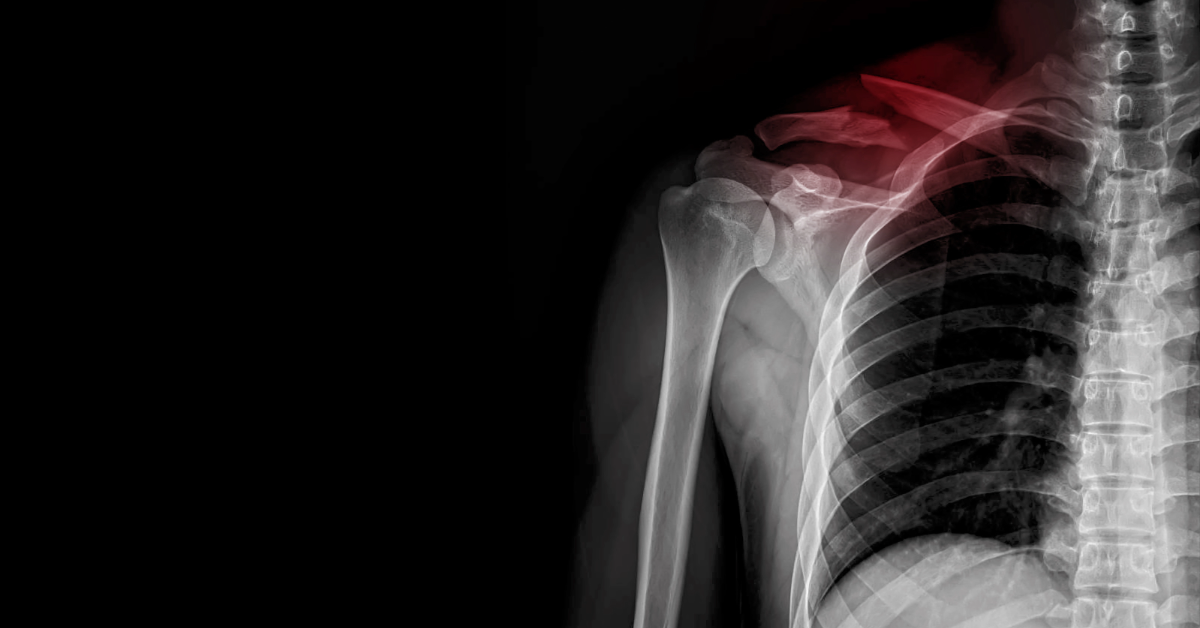
X Ray Shoulder Injury
Rotator Cuff Injury Treatment & Recovery
Shoulder pain is one of the most common musculoskeletal complaints affecting adults of all ages. Whether it develops gradually from repetitive overhead activity or suddenly after a fall, a rotator cuff injury can affect your ability to work, exercise, sleep and perform daily tasks.
Many people assume shoulder pain automatically means surgery is required. However, many rotator cuff injuries can improve with proper physiotherapy, especially when diagnosed early and managed with a structured rehabilitation plan.
In this guide, we explain what the rotator cuff is, common symptoms, treatment options, recovery timelines and when surgery may be considered.
What Is the Rotator Cuff?
The rotator cuff is a group of four muscles and tendons that surround the shoulder joint. These muscles help stabilise the shoulder, control arm movement and keep the upper arm bone centred within the shoulder socket.
Supraspinatus
Helps lift the arm and is commonly involved in rotator cuff injuries.
Infraspinatus
Assists with rotating the shoulder outward.
Teres Minor
Supports shoulder rotation and stability.
Subscapularis
Helps rotate the arm inward and stabilise the shoulder.
Common Causes of Rotator Cuff Injuries
Rotator cuff injuries may happen suddenly or develop gradually over time.
Acute Injuries
- Falling onto an outstretched arm
- Lifting something heavy suddenly
- Sports injuries
- Shoulder dislocation
Gradual or Degenerative Injuries
- Repetitive overhead activity
- Age-related tendon changes
- Racquet sports or swimming
- Poor shoulder mechanics
- Previous shoulder injuries
Common Symptoms of a Rotator Cuff Injury
Symptoms can vary depending on whether the injury is mild irritation, tendinopathy, a partial tear or a full tear.
- Pain when lifting the arm
- Difficulty reaching overhead
- Shoulder weakness
- Pain when reaching behind the back
- Pain at night, especially when lying on the affected shoulder
- Clicking, catching or discomfort during movement
- Reduced shoulder range of motion
Why Does Shoulder Pain Feel Worse at Night?
Night pain is common in rotator cuff injuries. This may happen because lying on the affected shoulder increases pressure around the tendons. Inflammation, poor sleeping position and reduced shoulder support during rest may also contribute to discomfort.
If shoulder pain repeatedly wakes you from sleep or affects your ability to lie comfortably, it may be worth getting assessed by a physiotherapist.
Rotator Cuff Tendinopathy vs Partial Tear vs Full Tear
Rotator Cuff Tendinopathy
The tendon is irritated or overloaded, but not fully torn. This often responds well to physiotherapy.
Partial Thickness Tear
Some tendon fibres are damaged. Many partial tears can still improve with structured rehabilitation.
Full Thickness Tear
The tendon is completely torn. Surgery may be considered depending on symptoms, function and goals.
How Is a Rotator Cuff Injury Diagnosed?
Diagnosis usually starts with a clinical assessment. Your physiotherapist may assess your shoulder movement, strength, pain patterns and ability to perform daily or sport-specific tasks.
In some cases, imaging such as ultrasound, MRI or X-ray may be recommended. However, imaging findings should always be interpreted together with your symptoms, as some tendon changes may be present even without pain.
Can Rotator Cuff Tears Heal Without Surgery?
Many people with rotator cuff tendinopathy, small partial tears or degenerative tears can improve without surgery. Physiotherapy can help reduce pain, improve shoulder strength and restore function.
Surgery may be considered if there is a large traumatic tear, significant weakness, persistent symptoms despite rehabilitation, or if the patient has high physical demands for work or sport.
Physiotherapy Treatment for Rotator Cuff Injuries
Physiotherapy focuses on reducing pain, restoring movement and rebuilding shoulder strength in a gradual and safe manner.
1. Pain Management
This may include activity modification, education, manual therapy and symptom-guided exercise.
2. Mobility Restoration
Gentle exercises help improve shoulder movement without overloading the injured tendon.
3. Strengthening
Progressive strengthening targets the rotator cuff, shoulder blade muscles and surrounding support structures.
4. Functional Rehabilitation
Rehab progresses towards lifting, carrying, overhead work, gym training or sport-specific movement.
Rotator Cuff Recovery Timeline
| Condition | Estimated Recovery Time |
|---|---|
| Mild tendinopathy | 6 to 12 weeks |
| Partial tear | 2 to 4 months |
| After surgical repair | 4 to 6 months or longer |
Recovery timelines differ depending on the severity of the injury, age, activity level, treatment approach and rehabilitation consistency.
When Is Surgery Recommended?
Surgery is not required for every rotator cuff injury. However, it may be recommended when there is a large traumatic tear, severe weakness, ongoing pain despite physiotherapy or significant loss of function.
After surgery, physiotherapy plays an important role in restoring shoulder movement, rebuilding strength and guiding a safe return to daily activities, work or sport.
How to Prevent Future Rotator Cuff Injuries
- Strengthen the shoulder and upper back muscles
- Warm up properly before sport or exercise
- Avoid sudden increases in training load
- Improve shoulder blade control
- Address shoulder pain early
- Maintain good posture and movement habits
When Should You See a Physiotherapist?
You should consider seeing a physiotherapist if shoulder pain lasts more than two weeks, affects sleep, causes weakness, limits your ability to lift your arm or interferes with work, sport or daily activities.
Rotator Cuff Injury Treatment at MoveMed Physiotherapy
At MoveMed Physiotherapy, our physiotherapists assess the underlying cause of your shoulder pain before developing an individualised rehabilitation plan. Treatment may include pain management, mobility work, progressive strengthening, functional rehabilitation and post-operative care where needed.
Whether your goal is to return to gym training, sport, work or simply lift your arm without pain, our team can guide your recovery safely.
Frequently Asked Questions
Is rotator cuff pain always caused by a tear?
No. Rotator cuff pain can also be caused by tendinopathy, inflammation, overload or poor shoulder mechanics.
Can physiotherapy heal a torn rotator cuff?
Physiotherapy cannot reconnect a completely torn tendon, but it can help many patients reduce pain, improve strength and regain function without surgery.
Is shoulder pain at night a sign of a rotator cuff injury?
Night pain is common in rotator cuff conditions, although frozen shoulder, arthritis and other shoulder problems can also cause similar symptoms.
Can I continue exercising with a rotator cuff injury?
In many cases, yes. Exercises may need to be modified based on your symptoms and stage of recovery to avoid further irritation.
Related Articles
About MoveMed Physiotherapy Singapore
At MoveMed, we support your recovery through purposeful movement.
Our professionally trained physiotherapists at Novena and Orchard provide tailored sessions in a well-equipped facility—featuring treatment beds, shockwave therapy machines and more —to help you regain strength, mobility, and confidence.
Whether it’s pre-op rehab, pain management or post-op rehab, our team is here to guide your journey every step of the way.
📍(Orchard) Movemed Physiotherapy, 391B Orchard Road Ngee Ann City Office Tower B. #25-03 Singapore 238874
📍(Novena) MoveMed Physiotherapy, 10 Sinaran Dr, #09-04, Novena Medical Center, Singapore 307506
🌐www.movemedsg.com
📞 Call / WhatsApp: +65 9627 2000
📧 Email: hello@movemedsg.com
