
Meniscus Tear Recovery Guide: Treatment, Physiotherapy & Recovery Timeline
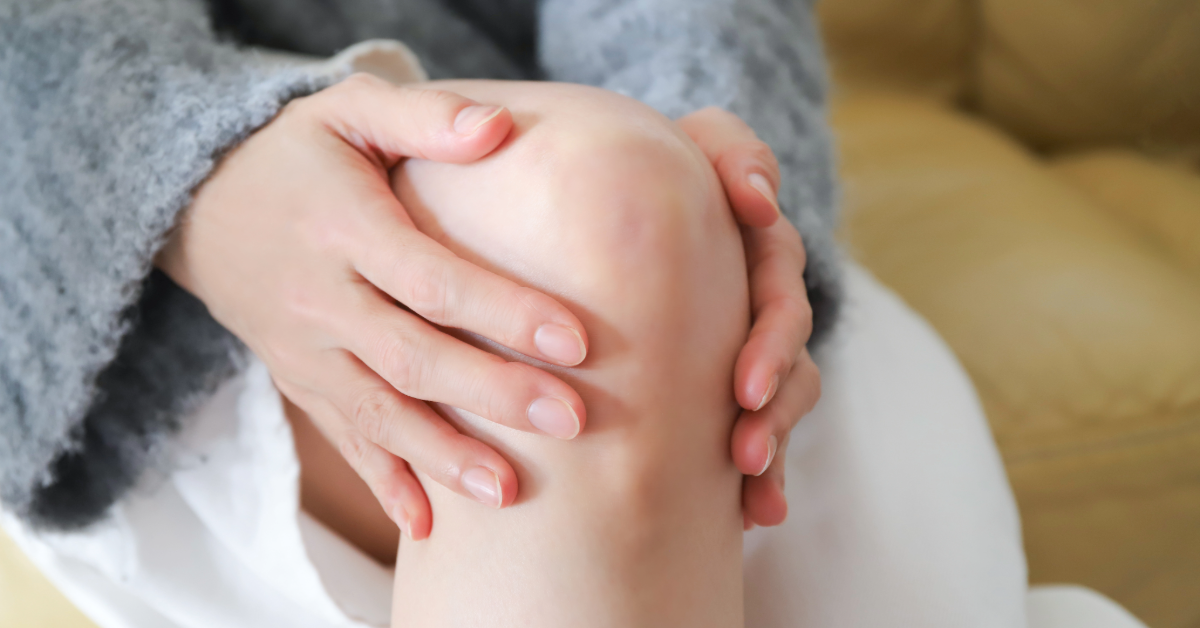
Meniscus Tear Recovery Guide: Treatment, Physiotherapy & Recovery Timeline
Meniscus Tear Recovery Guide: Treatment, Physiotherapy & Recovery Timeline
Recovering from a Meniscus Tear in Singapore
A meniscus tear is one of the most common knee injuries affecting athletes, active adults, and even individuals performing everyday activities. Whether the injury occurs during sports, while squatting, or simply from age-related degeneration, the recovery journey varies depending on the type and severity of the tear.
Many people immediately wonder:
Do I need surgery?
Can a meniscus tear heal naturally?
When should I start physiotherapy?
How long will recovery take?
The good news is that many patients recover successfully with the right rehabilitation plan. Physiotherapy plays a key role in restoring knee function, reducing pain, rebuilding strength, and helping patients safely return to work, exercise, or sports.
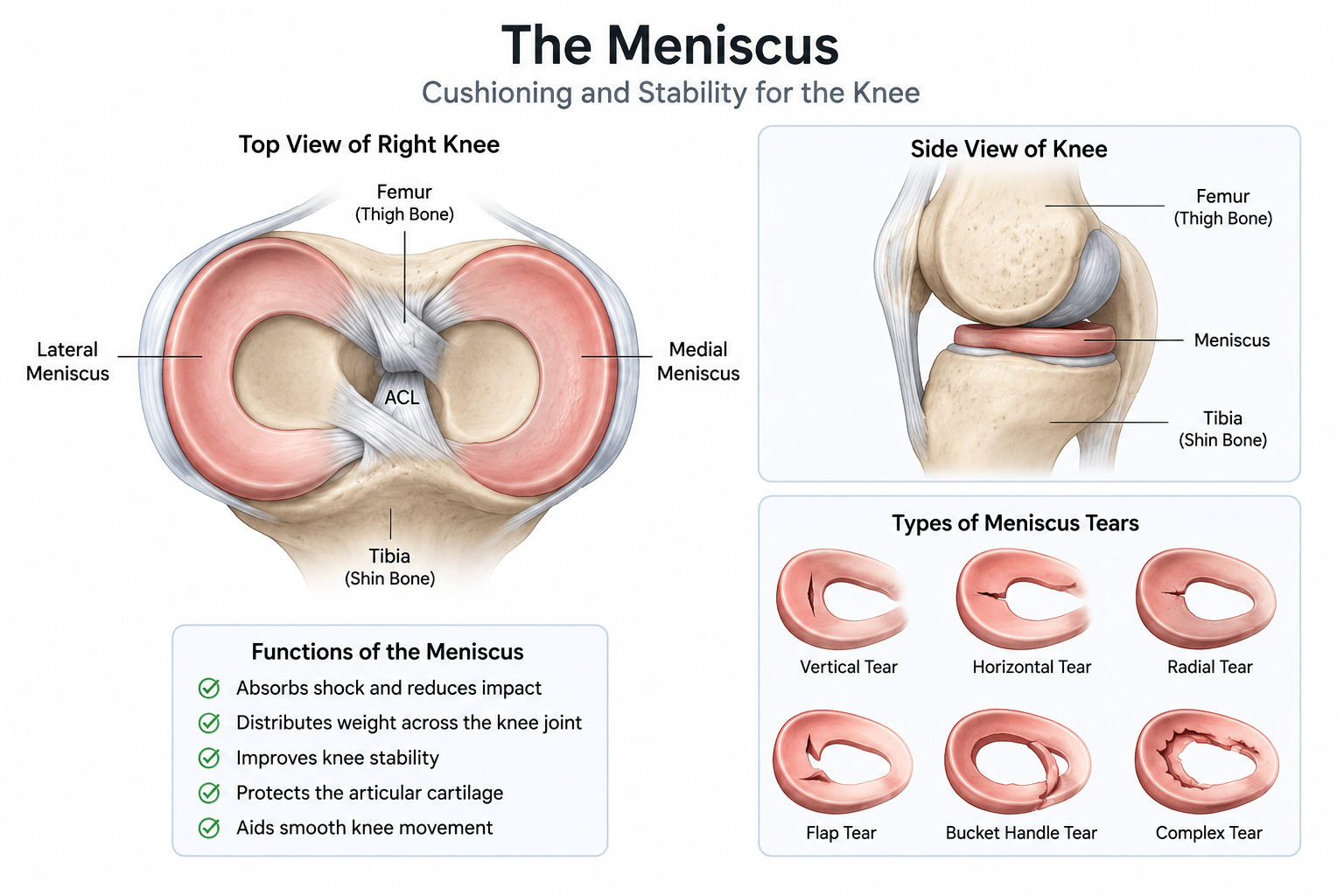
What Is the Meniscus?
The knee contains two crescent-shaped pieces of cartilage known as the medial meniscus and lateral meniscus. They act as shock absorbers between the femur (thigh bone) and tibia (shin bone), helping the knee move smoothly while protecting the joint.
Main Functions of the Meniscus
🦵 Shock Absorption
Reduces impact during walking, running and jumping.
⚖️ Weight Distribution
Spreads forces evenly across the knee joint.
🛡️ Joint Protection
Protects the cartilage covering the bones.
🚶 Smooth Movement
Improves knee stability and normal movement.
Common Causes of Meniscus Tears
Acute Sports Injuries
These injuries usually occur when the foot remains planted while the knee twists.
- Football
- Basketball
- Tennis
- Squash
- Skiing
- Pivoting sports
Degenerative Tears
As the meniscus becomes less flexible with age, even routine activities may cause injury.
- Squatting
- Kneeling
- Climbing stairs
- Standing from a chair
Common Symptoms
How Is a Meniscus Tear Diagnosed?
Clinical Assessment
- Range of motion
- Joint line tenderness
- Swelling
- Knee stability
- Functional movement assessment
- Special meniscus tests
Imaging
- X-rays (to exclude fractures or arthritis)
- MRI scan (gold standard for meniscus tears)
Not every meniscus tear seen on MRI requires surgery.
Can a Meniscus Tear Heal Without Surgery?
Recovery depends on several important factors.
Better Chance of Healing
- Small tears
- Outer edge (good blood supply)
- Stable tear pattern
- Lower activity demands
May Require Surgery
- Large tears
- Displaced fragments
- Locked knee
- Associated ligament injuries
Treatment Options
Conservative Treatment
- Physiotherapy
- Activity modification
- Progressive strengthening
- Mobility exercises
- Swelling management
- Gradual return to activity
Surgical Treatment
Surgery may be recommended if:
- The knee locks
- The tear is unstable
- Physiotherapy fails
- Associated ligament injuries are present
- High sporting demands
Procedures:
- Meniscus repair
- Partial meniscectomy
Typical Recovery Timeline
| Treatment | Recovery |
|---|---|
| Conservative Management |
Pain improves: 2–6 weeks Strength recovery: 6–12 weeks Normal activities: 2–3 months |
| Meniscus Repair |
Running: 3–4 months Return to sport: 4–6 months |
| Partial Meniscectomy |
Walking comfortably: several weeks Strength: 6–8 weeks Sports: 2–3 months |
Common Recovery Mistakes
- Returning to sports too early
- Ignoring persistent swelling
- Stopping physiotherapy once pain improves
- Avoiding strengthening exercises
- Continuing activities that overload the knee
When Should You See a Physiotherapist?
- Knee pain after twisting
- Persistent swelling
- Knee locking
- Painful clicking
- Difficulty walking
- Pain lasting more than several days
- Repeated knee instability
About MoveMed Physiotherapy Singapore
At MoveMed, we support your recovery through purposeful movement.
Our professionally trained physiotherapists at Novena and Orchard provide tailored sessions in a well-equipped facility—featuring treatment beds, shockwave therapy machines and more —to help you regain strength, mobility, and confidence.
Whether it’s pre-op rehab, pain management or post-op rehab, our team is here to guide your journey every step of the way.
📍(Orchard) Movemed Physiotherapy, 391B Orchard Road Ngee Ann City Office Tower B. #25-03 Singapore 238874
📍(Novena) MoveMed Physiotherapy, 10 Sinaran Dr, #09-04, Novena Medical Center, Singapore 307506
🌐www.movemedsg.com
📞 Call / WhatsApp: +65 9627 2000
📧 Email: hello@movemedsg.com
