
Recovery Timelines in Physiotherapy: What to Expect

Understanding treatment costs, effectiveness & whether you need them.
One of the most common questions patients ask is, “How long will my recovery take?”.
While physiotherapy is highly effective, recovery timelines vary from person to person.
Understanding typical recovery periods and the factors that can help patients set realistic expectations and stay committed to the rehabilitation process.
How Many Physiotherapy Sessions Are Usually Needed?
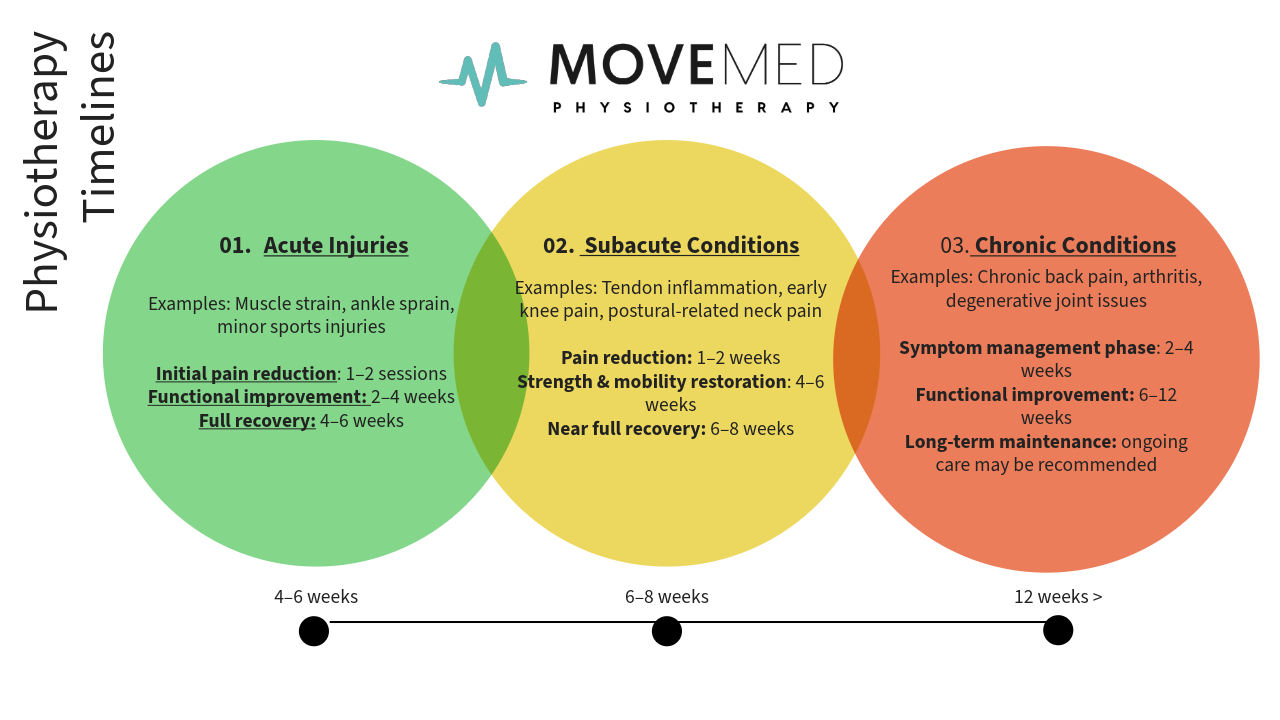
Physiotherapy Recovery Timeline
There is no universal number of physiotherapy sessions that applies to every patient. Recovery depends on the nature of the condition, its severity, and how the body responds to treatment. However, general patterns can provide helpful guidance.
Your physiotherapist will recommend an appropriate number of sessions after a detailed assessment, ensuring the plan aligns with your condition, lifestyle, and recovery goals.
Why Recovery Can Take Longer Than Expected
Delayed treatment, allowing the condition to worsen or become chronic
Poor posture or movement habits that continue to stress the affected area
Inconsistent attendance or incomplete exercise compliance
Underlying medical conditions, such as arthritis or nerve involvement
Returning to activity too early, causing repeated flare-ups
How to Speed Up Recovery
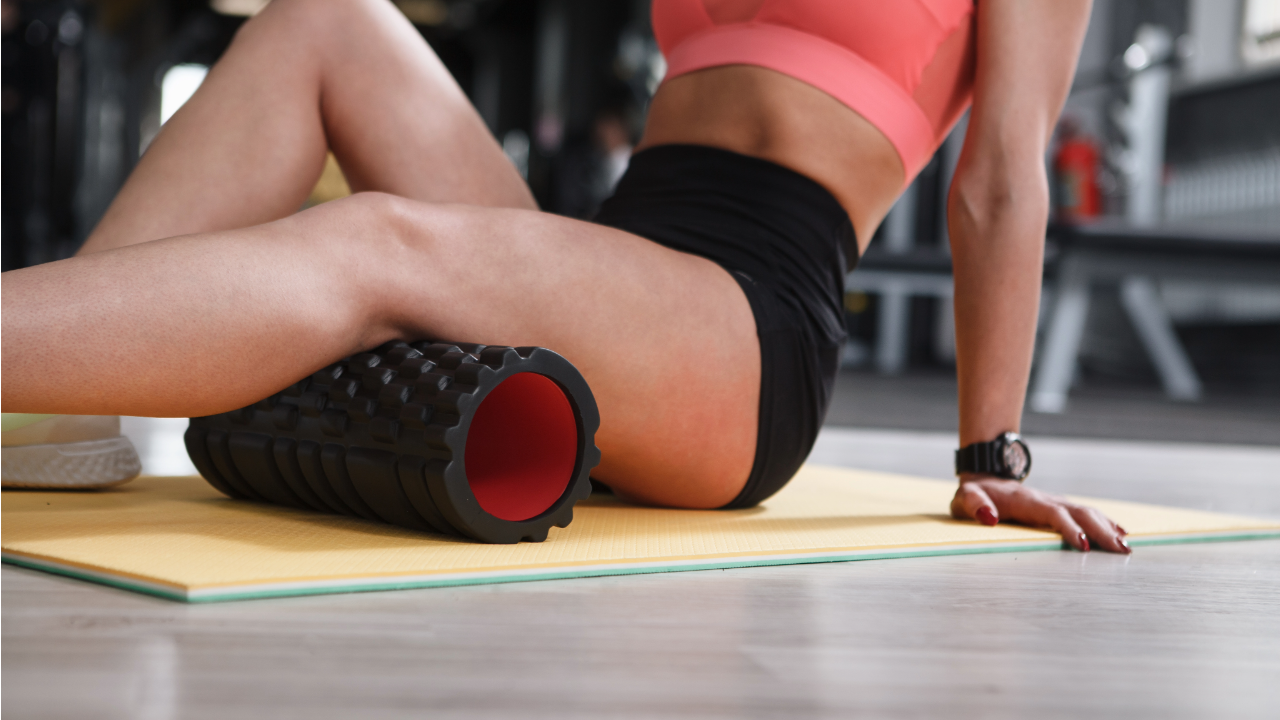
Muscle Roller
Physiotherapy outcomes improve significantly when patients take an active role in their rehabilitation. While professional treatment is essential, progress depends heavily on what happens between sessions.
Key actions that enhance recovery include:
Attending sessions consistently
Performing prescribed exercises as instructed
Maintaining correct posture during daily activities
Avoiding movements or behaviours that aggravate symptoms
Communicating openly about pain levels, limitations, and progress
Physiotherapy is a collaborative process. Patients who actively participate often experience faster recovery and better long-term results.
Why Your First Assessment Matters
The first physiotherapy session plays a critical role in shaping the entire recovery journey.
At MoveMed, this assessment goes beyond identifying pain locations. It includes a detailed evaluation of movement patterns, joint mobility, muscle strength, and lifestyle factors that may be contributing to the condition.
Rather than treating surface symptoms alone, the physiotherapist focuses on identifying the root cause of discomfort.
About MoveMed Physiotherapy Singapore
At MoveMed, we support your recovery through purposeful movement.
Our professionally trained physiotherapists at Novena provide tailored sessions in a well-equipped facility—featuring treatment beds, shockwave therapy machines and more —to help you regain strength, mobility, and confidence.
Whether it’s pre-op rehab, pain management or post-op rehab, our team is here to guide your journey every step of the way.
📞 Call / WhatsApp: +65 9627 2000
📧 Email: hello@movemedsg.com
Regain control. Move better. Live stronger.
