
Chinese New Year: Preventing House Cleaning Spine Injuries

Chinese New Year: Preventing House Cleaning Spine Injuries.png
As Chinese New Year approaches, many households begin intensive spring cleaning, moving furniture, lifting boxes, scrubbing floors, reaching high shelves, and reorganising storage spaces.
While this tradition symbolises renewal and preparation, it is also one of the most common seasonal causes of acute spine injuries in Singapore.
From lower back strains and slipped discs to shoulder and neck injuries, physiotherapy clinics often see a rise in musculoskeletal cases linked directly to festive cleaning activities. These injuries rarely come from one major accident, they usually develop from repetitive strain, poor posture, sudden loading, and improper lifting mechanics.
What makes this more concerning is that many people are already entering the festive season with weakened spinal support due to modern lifestyle and work habits.
Why Modern Work Is Already Injuring the Spine

Shoulder pain
Common Chinese New Year House Cleaning Injuries
Physiotherapy clinics commonly see the following injuries during the festive period:
lower back muscle strains
slipped disc flare-ups
spinal joint irritation
neck and shoulder strains
rotator cuff injuries
wrist and elbow overuse injuries
knee strain from repetitive squatting
hip and pelvic stiffness
nerve irritation symptoms (tingling, radiating pain)
These injuries are often underestimated at first, as people expect the pain to “settle on its own.”
Depending on severity, it might resolve temporarily, however, untreated strain can quickly develop into longer-term movement dysfunction and chronic pain patterns.
Why Festive Cleaning Creates High Injury Risk
House cleaning before Chinese New Year typically involves movements such as repetitive bending and twisting, lifting in awkward positions, overhead reaching and carrying uneven loads.
When combined with pre-existing postural strain from modern work, the spine becomes highly vulnerable to injury.
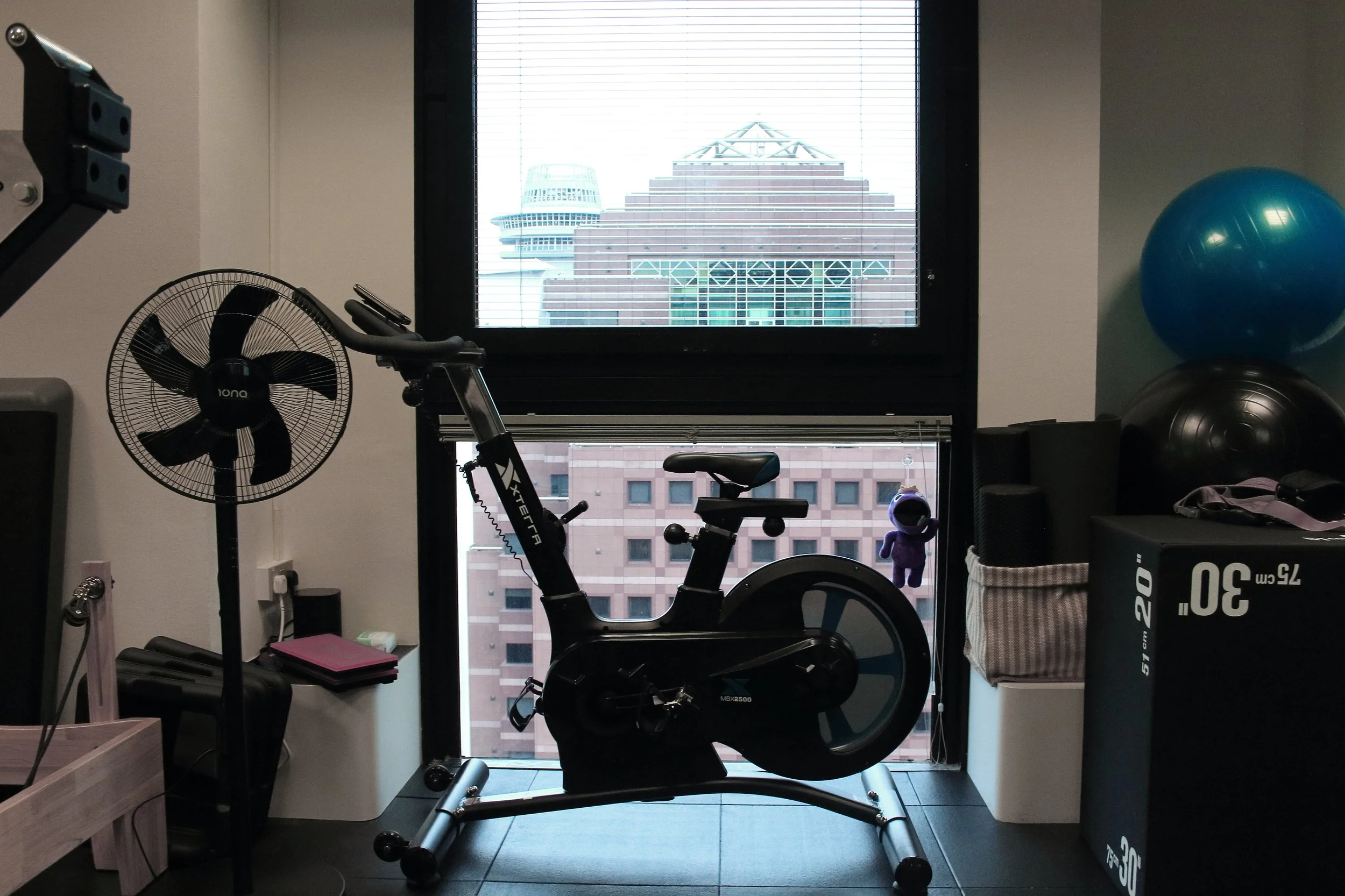
Physiotherapy Bike
Physiotherapy plays both a preventive and recovery role during the Chinese New Year period.
From a prevention perspective, physiotherapists teach clients about spinal mobility, movement patterns and correct lifting mechanics.
From a recovery perspective, physiotherapy helps clients to recover (from injuries sustained during the period) through:
Simple Spine Protection Tips During CNY Cleaning
1) Lift and carry smart
When carrying boxes, furniture, or heavy items, keep the load close to your body and avoid twisting while moving. Turn with your feet instead of your spine to reduce strain on your back.
2) Avoid overstretching and awkward positions
When pasting decorations like the fu sign, cleaning high shelves, or working overhead, use a stool or ladder instead of reaching or standing on unstable surfaces to protect your neck, shoulders, and spine.
3) Pace physical tasks
During long cleaning sessions, take short breaks, change tasks regularly, and avoid doing repetitive movements for too long, especially if using drills, sharp tools, or scrubbing continuously in one position.
Small adjustments in how tasks are done can prevent injuries more effectively than recovery after they occur.
When to Seek Physiotherapy Support
You should consider physiotherapy assessment if you experience:
persistent back or neck pain
sharp pain during movement
radiating pain into arms or legs
numbness or tingling
stiffness that doesn’t resolve
reduced mobility
pain affecting sleep or daily function
Early intervention prevents minor injuries from becoming long-term conditions.
About MoveMed Physiotherapy Singapore
At MoveMed, we support your recovery through purposeful movement.
Our professionally trained physiotherapists at Novena and Orchard provide tailored sessions in a well-equipped facility—featuring treatment beds, shockwave therapy machines and more —to help you regain strength, mobility, and confidence.
Whether it’s pre-op rehab, pain management or post-op rehab, our team is here to guide your journey every step of the way.
📍(Orchard) Movemed Physiotherapy, 391B Orchard Road Ngee Ann City Office Tower B. #25-03 Singapore 238874
📍(Novena) MoveMed Physiotherapy, 10 Sinaran Dr, #09-04, Novena Medical Center, Singapore 307506
🌐 www.movemedsg.com
📞 Call / WhatsApp: +65 9627 2000
📧 Email: hello@movemedsg.com
Regain control. Move better. Live stronger.
