
Physiotherapy Exercises: When They Help, When to Stop, and When to See a Physiotherapist

Physiotherapy Exercises
Physiotherapy Exercises: A Safe Place to Start Your Recovery
Whether you're recovering from an injury, managing back or neck pain, or simply looking to move better, physiotherapy exercises are often one of the most effective parts of rehabilitation.
Unlike general fitness exercises, physiotherapy exercises are carefully selected based on your symptoms, movement patterns, strength, flexibility and stage of recovery. The right exercise at the right time can reduce pain and restore function. The wrong exercise—or performing the right exercise incorrectly—may delay recovery or aggravate your condition.
At MoveMed Physiotherapy, we believe that movement is medicine, but only when prescribed appropriately.
Before You Start: Know When to Stop and Seek Professional Help
Stop exercising and seek professional advice if you experience:
- Sudden sharp or severe pain during an exercise
- Pain that continues to worsen after exercising
- Numbness, tingling or weakness in your arms or legs
- Significant swelling following an injury
- Loss of balance or difficulty walking
- Pain following a fall or traumatic injury
- No improvement despite several weeks of consistent exercise
Exercises should challenge your body—but they should not create new injuries.
Why Physiotherapy Exercises Work
Most musculoskeletal problems aren't caused by a single weak muscle.
They often involve a combination of joint stiffness, muscle weakness, poor movement patterns, reduced balance, previous injuries and lifestyle habits.
Physiotherapy exercises aim to address the underlying cause rather than simply masking symptoms. Depending on your condition, your programme may focus on improving joint mobility, restoring flexibility or a range of exercises to facilitate returning safely to sport
One common misconception is that rehabilitation always requires expensive gym equipment.
Many effective physiotherapy exercises can be performed using everyday household items.
Tennis Ball
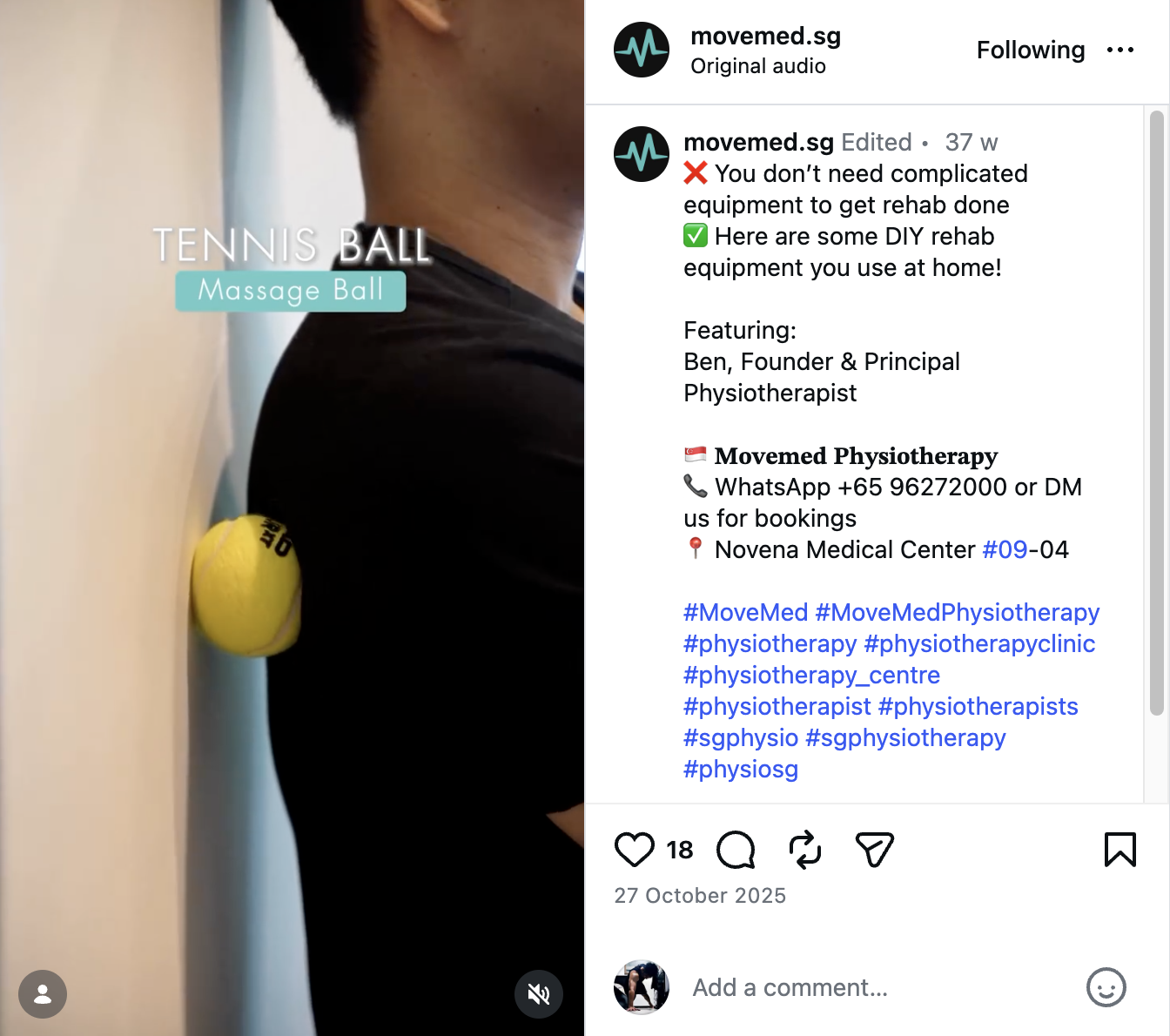
A simple tennis ball can be used to:
Self-massage tight muscles
Reduce muscle tension
Improve soft tissue mobility
Relieve sore shoulders, calves or feet
This is particularly useful for people who spend long hours sitting or experience muscle tightness after exercise.
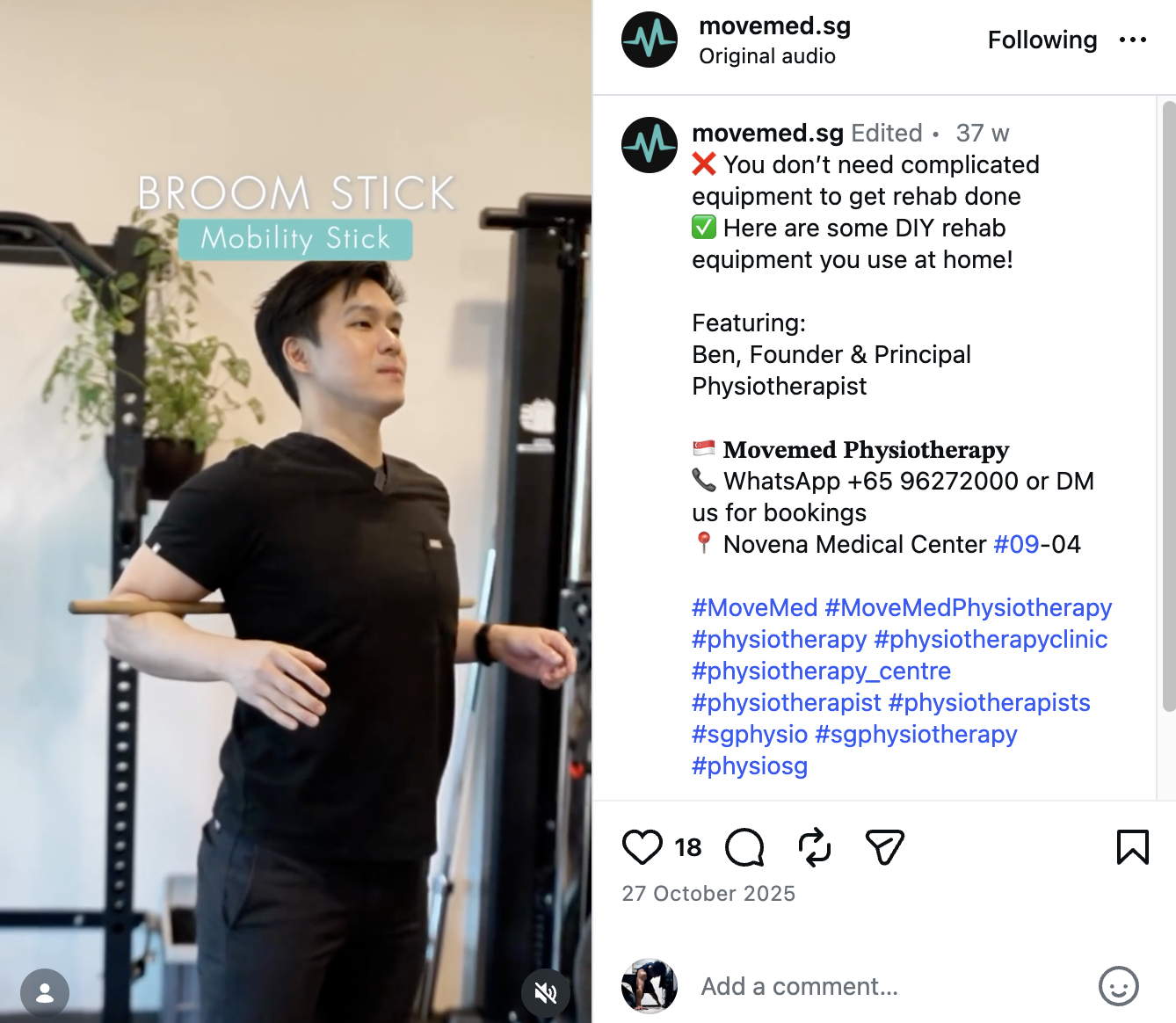
A broomstick is excellent for mobility exercises including:
Shoulder mobility
Chest opening
Thoracic rotation
Overhead movement
These exercises are commonly prescribed following shoulder stiffness or prolonged desk work.
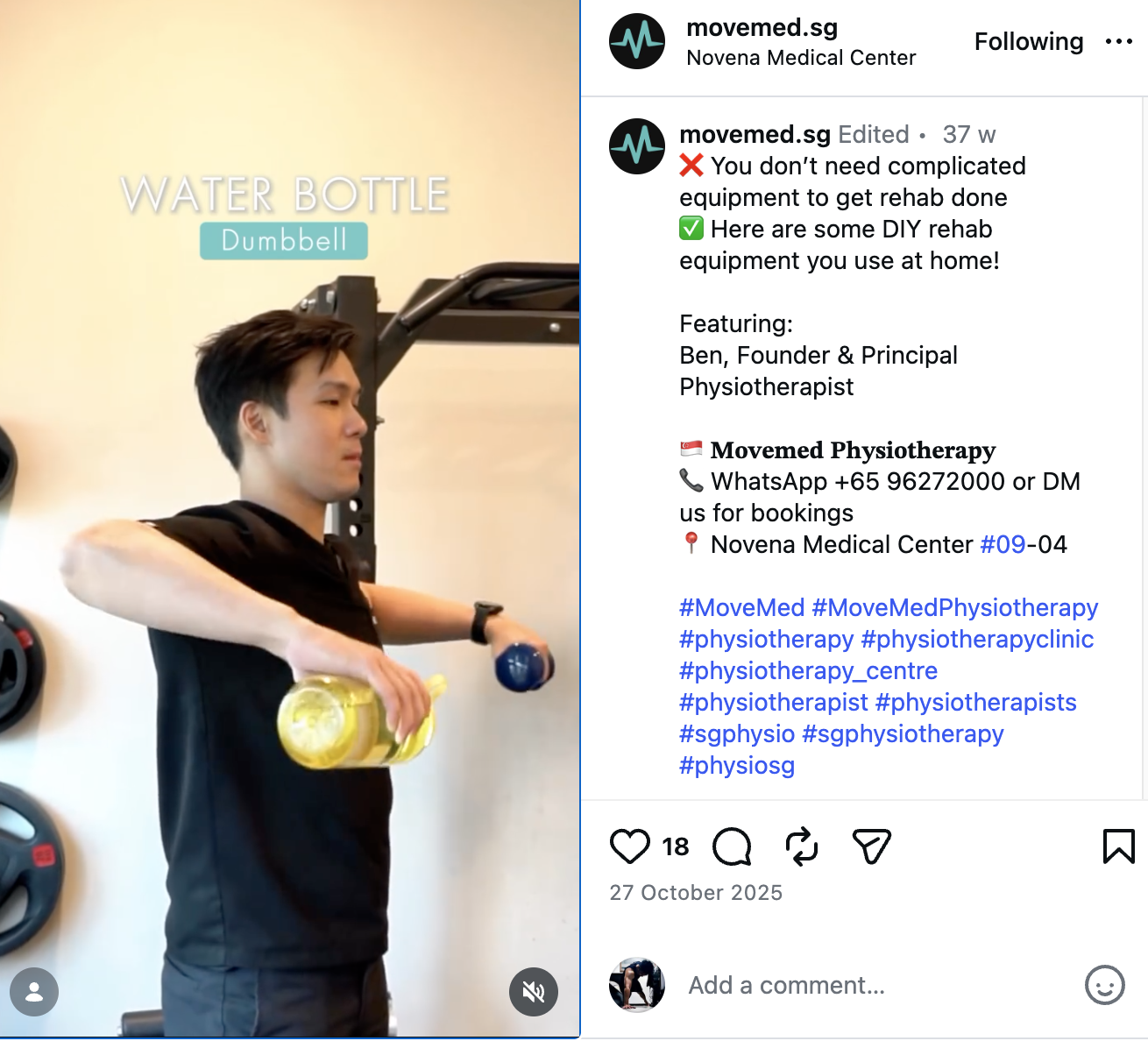
Instead of specialised equipment, a filled water bottle can become:
A light dumbbell
A shoulder strengthening tool
A balance training aid
A foam roller substitute for certain mobility drills
Small amounts of resistance performed consistently often produce better results than heavy weights performed incorrectly.
Correcting Poor Posture with Thoracic Extension
Many people believe their neck is the problem.
In reality, prolonged sitting often causes the upper back (thoracic spine) to become stiff.
When this happens:
The shoulders round forward.
The head shifts forward.
The neck muscles work harder.
Neck pain gradually develops.
Thoracic extension exercises help restore movement to the upper back, making it easier to maintain an upright posture with less strain on the neck.
Simple Exercises for Working from Home
Working from home has become increasingly common, but long hours at the computer can contribute to neck stiffness, back pain and reduced mobility.
These simple exercises can help maintain movement throughout the day.
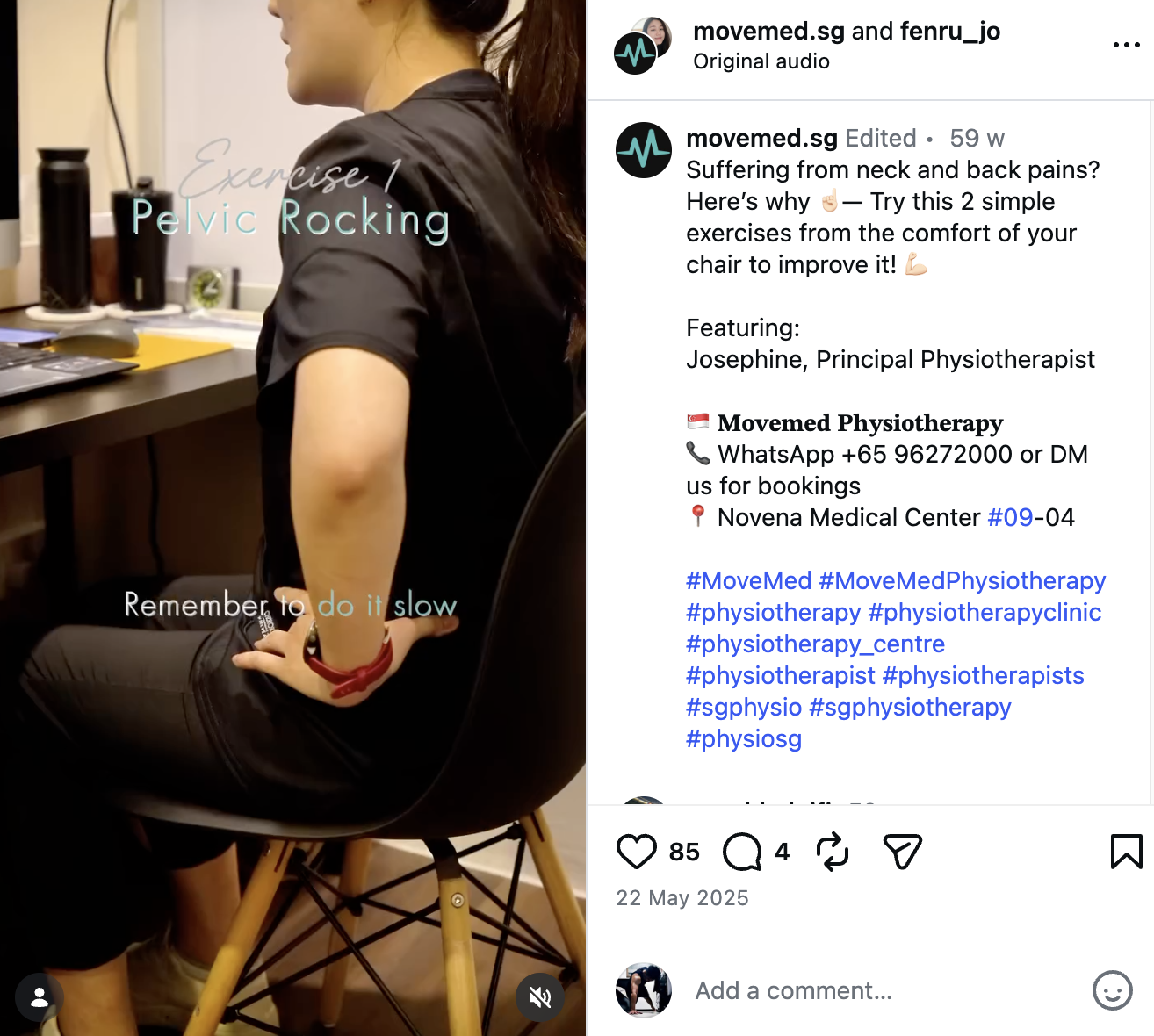
Pelvic rocking encourages gentle movement through the lower back and pelvis.
Benefits include:
Improving lumbar mobility
Reducing stiffness
Increasing awareness of pelvic position
Preparing the spine for movement
Common Mistakes People Make
Many people unknowingly slow their recovery by:
Copying exercises from social media without understanding why they're doing them.
Performing exercises too quickly.
Using excessive resistance too early.
Ignoring worsening pain.
Doing the wrong exercise for the wrong diagnosis.
Skipping exercises once symptoms begin to improve.
Consistency and progression are usually more important than intensity.
When Home Exercises May Not Be Enough
Although home exercises are highly effective for many conditions, some situations require professional assessment.
You should consider seeing a physiotherapist if you have:
Pain lasting more than two to four weeks
Recurring injuries
Sports injuries
Persistent neck or back pain
Difficulty returning to exercise
Pain after surgery
Difficulty walking or climbing stairs
Shoulder pain that limits daily activities
Early assessment often leads to faster recovery by identifying the underlying cause and ensuring you're performing the right exercises.
Frequently Asked Questions
Can physiotherapy exercises replace treatment?
Not always. Some conditions improve with exercise alone, while others may require manual therapy, education or a more structured rehabilitation programme.
Should physiotherapy exercises be painful?
Some mild discomfort or muscle fatigue can be normal, but sharp, worsening or severe pain is not. If you're unsure, stop the exercise and consult your physiotherapist.
Can I do physiotherapy exercises every day?
Certain mobility exercises may be appropriate daily, while strengthening exercises often need rest between sessions. Your programme should be tailored to your condition.
How long before physiotherapy exercises work?
Many people notice improvements within a few weeks, although recovery depends on the condition, its severity and how consistently the exercises are performed.
Need a Personalised Exercise Programme?
At MoveMed Physiotherapy, every rehabilitation programme is tailored to your condition, goals and stage of recovery. Whether you're dealing with neck pain, recovering from surgery or returning to sport, our physiotherapists will guide you through evidence-based exercises that are safe, effective and appropriate for your needs.
About MoveMed Physiotherapy Singapore
At MoveMed, we support your recovery through purposeful movement.
Our professionally trained physiotherapists at Novena and Orchard provide tailored sessions in a well-equipped facility—featuring treatment beds, shockwave therapy machines and more —to help you regain strength, mobility, and confidence.
Whether it’s pre-op rehab, pain management or post-op rehab, our team is here to guide your journey every step of the way.
📍(Orchard) Movemed Physiotherapy, 391B Orchard Road Ngee Ann City Office Tower B. #25-03 Singapore 238874
📍(Novena) MoveMed Physiotherapy, 10 Sinaran Dr, #09-04, Novena Medical Center, Singapore 307506
🌐www.movemedsg.com
📞 Call / WhatsApp: +65 9627 2000
📧 Email: hello@movemedsg.com
